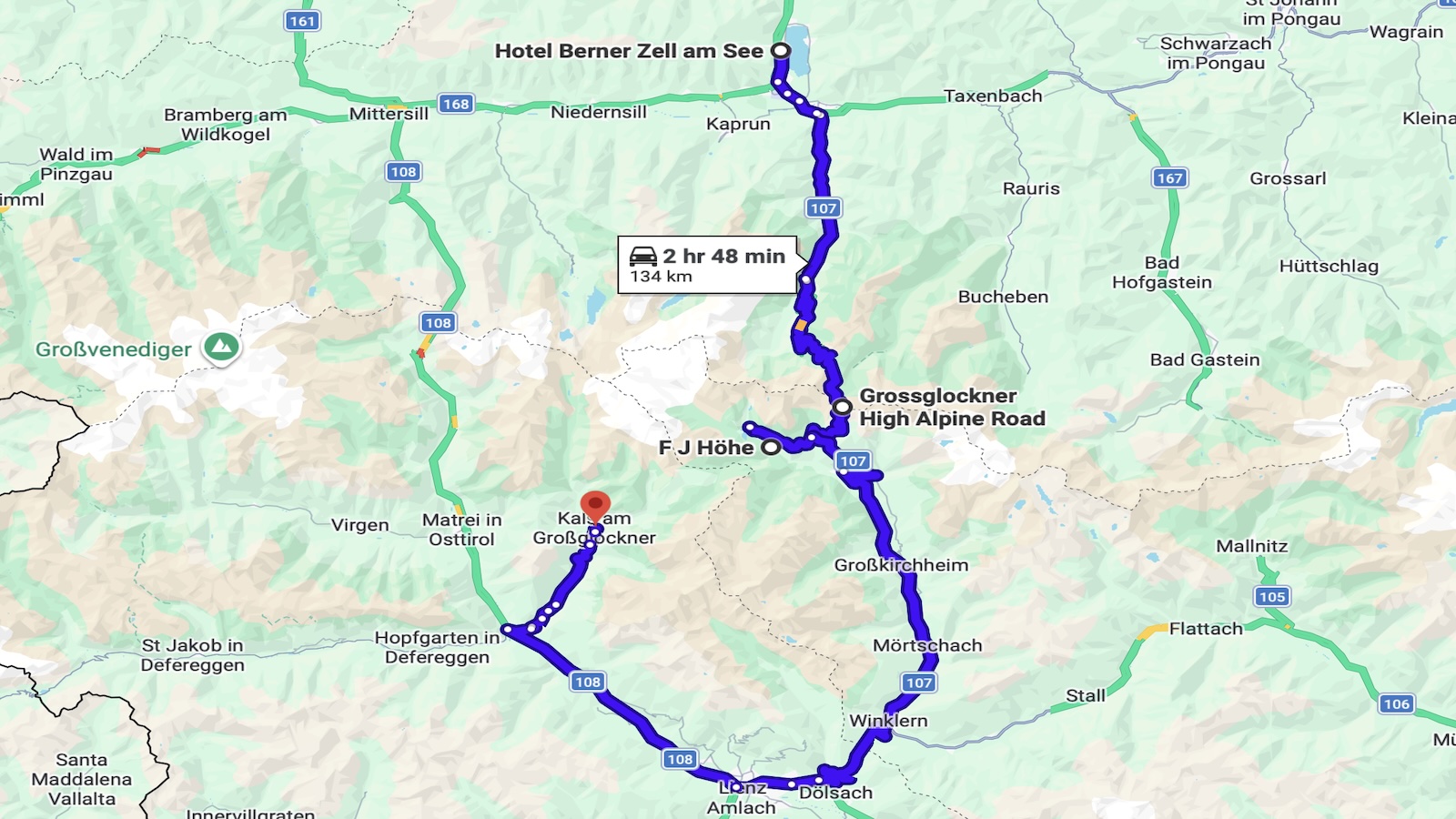
Today's route (click the map)
Hotel → mountain pass → viewpoint → today's hotel.
- Distance: approx. 160 km
- Pure driving time: approx. 3 h 30 min
- Recommended departure: 08:00
|
PORSCHE ALPINE ROAD TRIP
996Turbo.no
Porsche road trip on some of Europe's finest mountain roads NB. Click images and maps to enlarge them |

|
A complete driving plan for a Porsche road trip through the Alps
This website is designed as a practical guide for a five-day Porsche road trip through the Alps, from Zell am See in Austria to Chur in Switzerland. It contains planned driving routes, maps, hotels, mountain passes, driving distances and useful links for each day.
Participants will meet in Zell am See at an agreed time. Travel to Zell am See is planned and organised individually. Each participant can choose the route that suits them best, for example via the Kiel ferry, Larvik–Hirtshals, Kristiansand–Hirtshals or Oslo–Copenhagen.
Any overnight stays on the way to Zell am See must be booked and organised individually. The same applies to the journey home from Chur and any overnight stops on the return trip.
From Zell am See, five shared driving days follow through Austria, Italy and Switzerland. The route crosses some of Europe's finest mountain roads and ends in Chur. This website therefore focuses mainly on the five shared days in the Alps.
The trip is intended as a small, private friends' road trip with a maximum of 5–6 cars in total. Porsche enthusiasts who think this sounds interesting can register their interest below. Ferries and hotels should still be booked well in advance.
If this sounds interesting, please use the registration form below. This keeps all expressions of interest in one place.
The guide can be used both during planning and while travelling. Each driving day has its own section with the day's stage, maps, navigation links, hotel, planned stops and practical advice.
The plan is a small and informal friends' road trip through the Alps with a maximum of 5–6 cars in total.
The preliminary plan is to meet in Zell am See on Sunday 5 September 2027, with the first shared driving day on Monday 6 September. The dates are provisional.
Registration is non-binding and is only intended to collect interest and make further planning easier. Once the group is becoming settled, WhatsApp can be used for practical communication between those who actually plan to join.
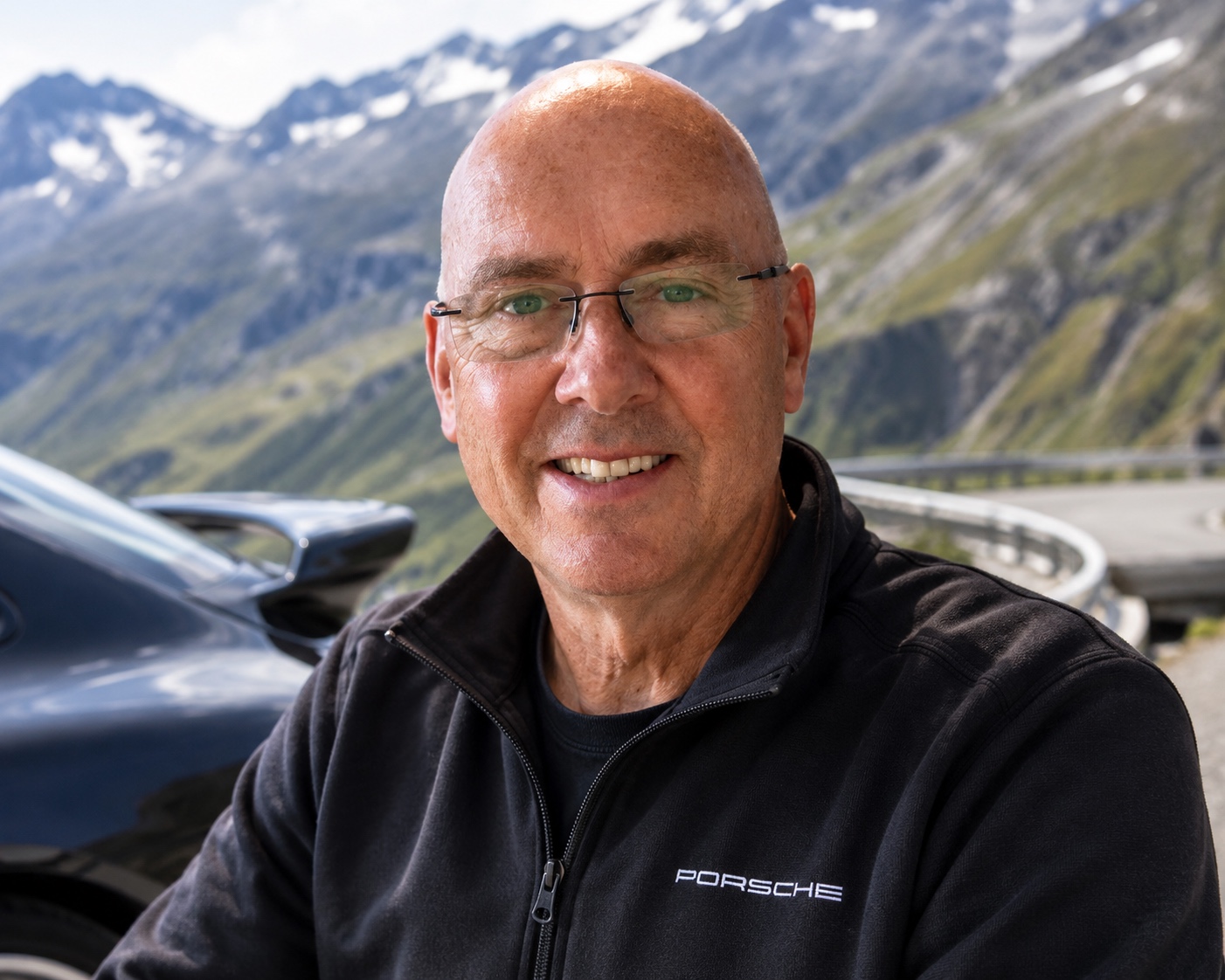
My name is Ian Braastad and I am a member of Porsche Club Norway, Vestre Viken – Asker and Bærum chapter.
The Porsche road trip is planned to combine enjoyable driving stages, famous mountain passes, spectacular scenery and comfortable overnight stays with secure parking.
This trip is a tribute to the Porsche 996 Turbo and to world-class driving experiences. The aim is to enjoy some of the finest roads in the Alps, share memorable experiences with fellow Porsche enthusiasts and make the most of five rewarding driving days from Zell am See to Chur.
Welcome to a Porsche road trip through the Alps!
Ian Braastad
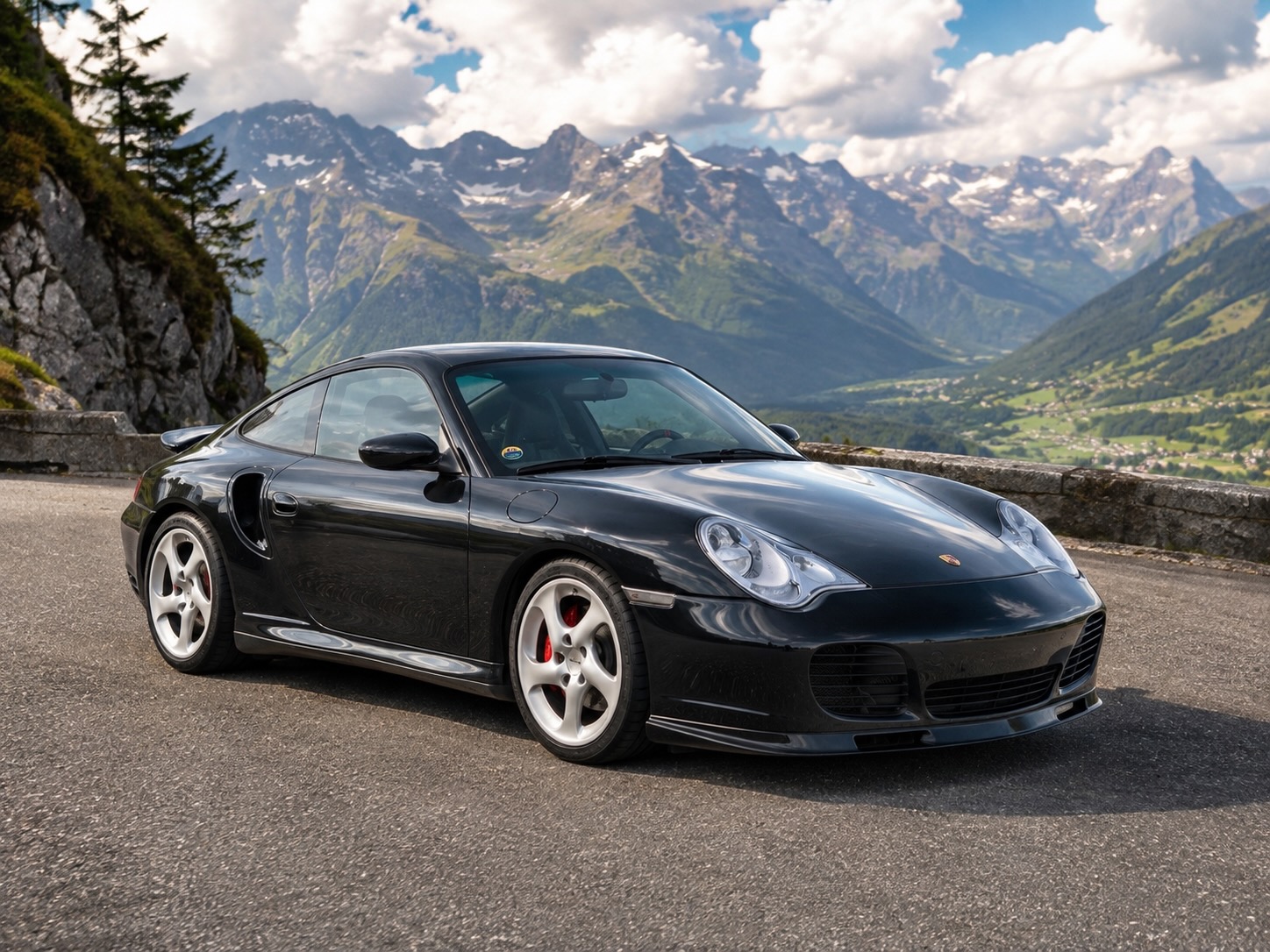
The trip will be driven in a 2001 Porsche 996 Turbo with a manual gearbox and all-wheel drive.
The car is well suited to a trip combining long transport stages with fast, winding and demanding mountain roads.
The map shows the five driving stages from Zell am See to Chur. The elevation profiles show the distance, ascent, descent and principal mountain passes for each day.
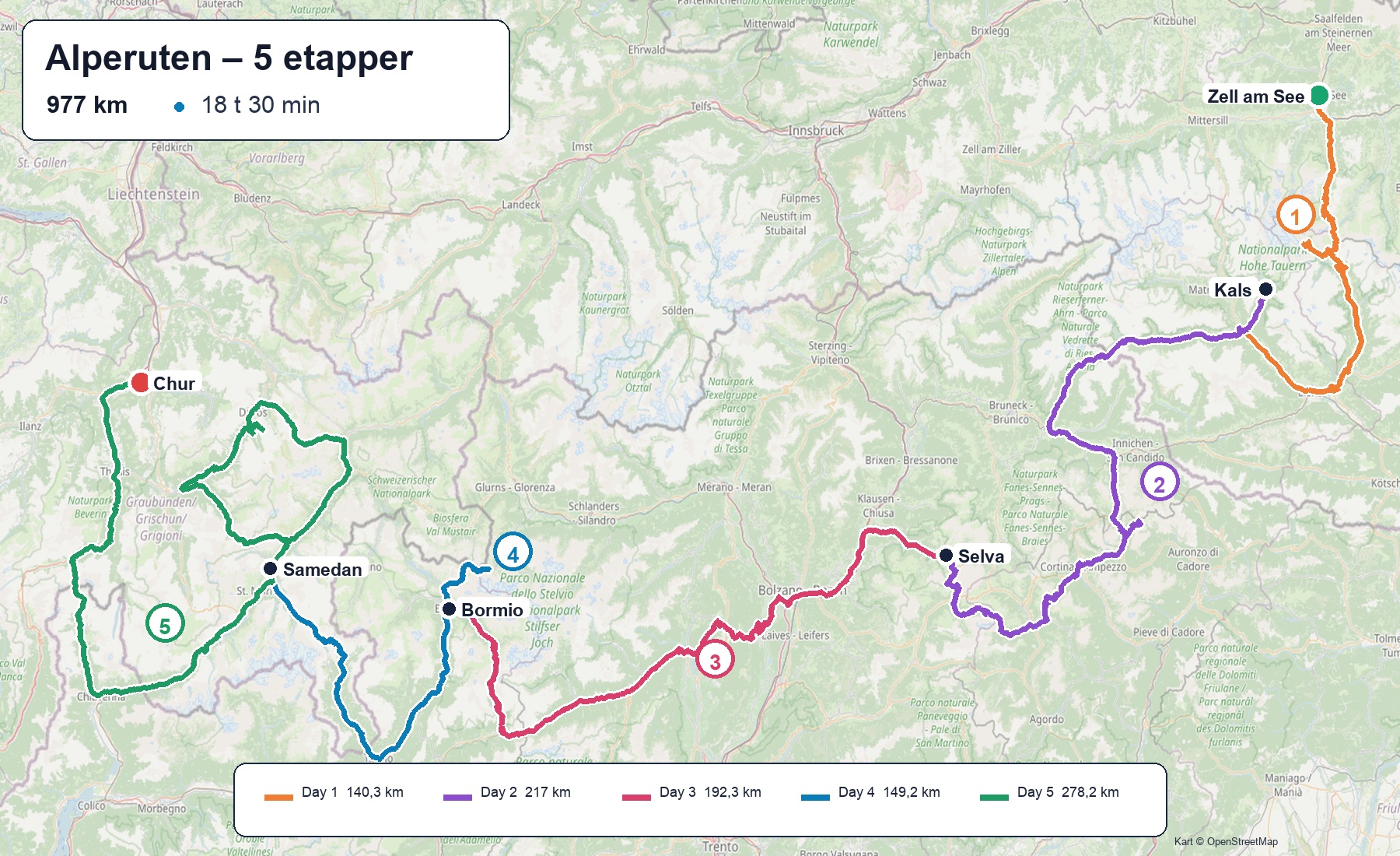
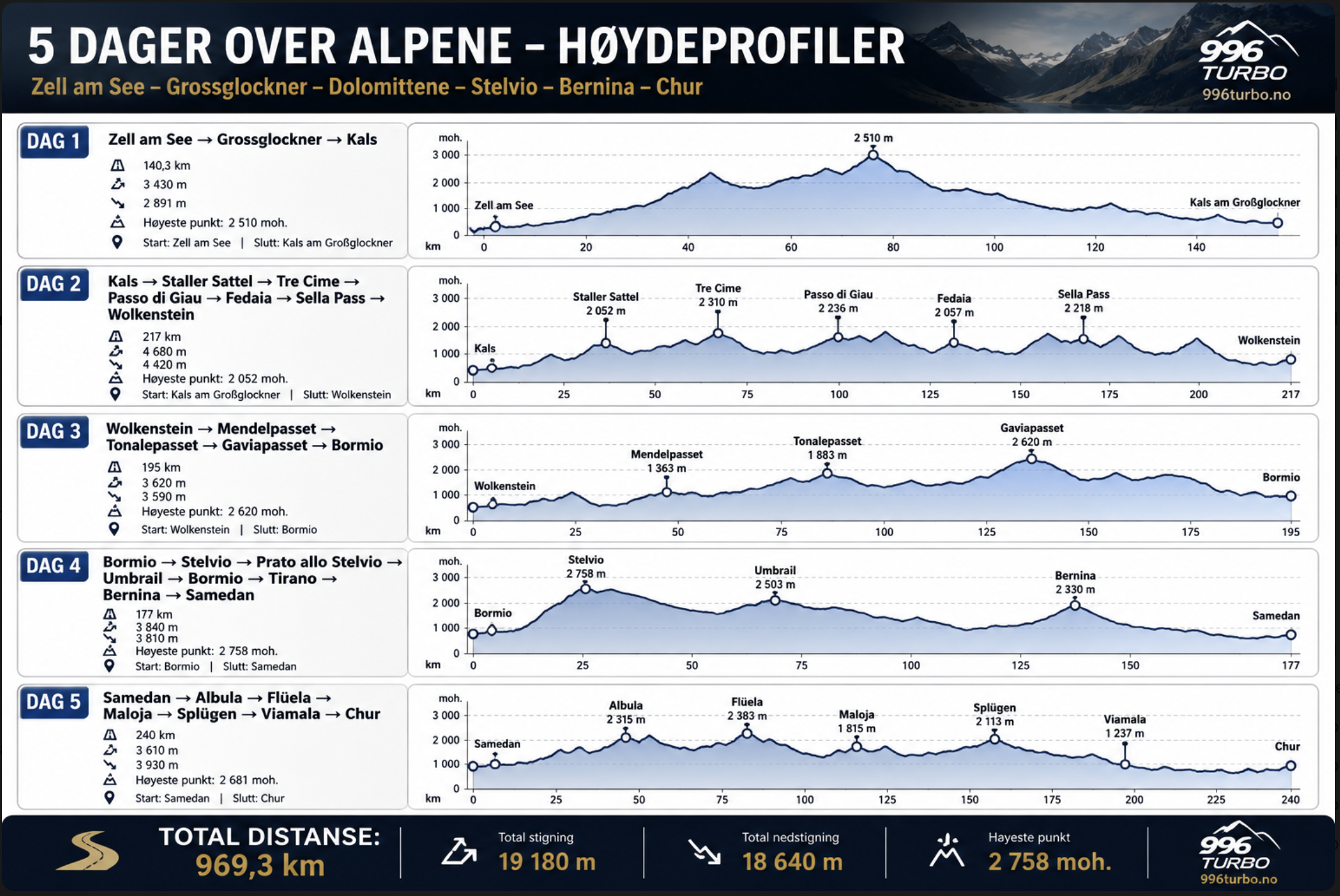
Select a day to go directly to the route, hotel and practical information for that stage.
Once everyone has met in Zell am See for the first driving day, agreed the practical details and checked that hotel bookings and everything else are in place, we set off. We will need to agree procedures, the day's lead driver, stops and communications. Maps and routes for each day will continue to be refined and made available in Google Maps, Mapy.com and as GPX files.
This is the first pure Alpine driving day, heading south from Zell am See over the Grossglockner High Alpine Road.
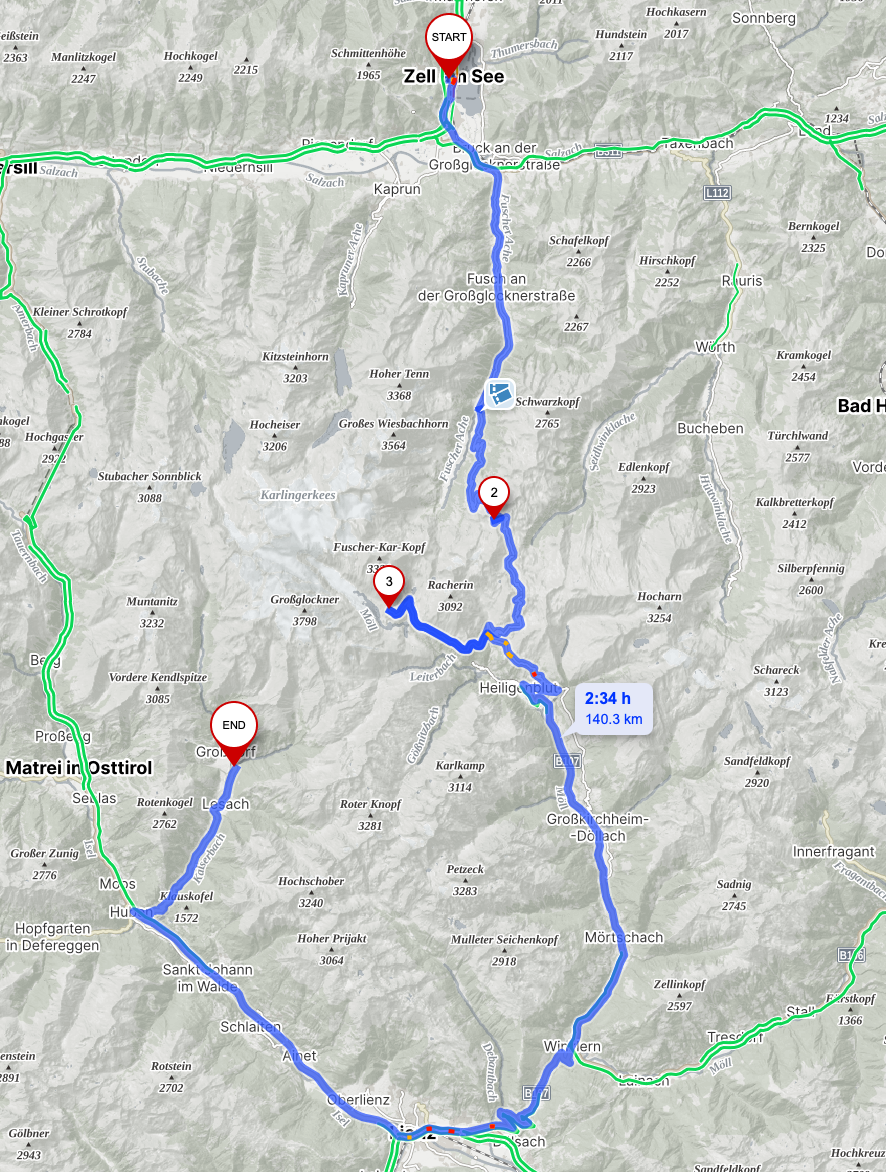
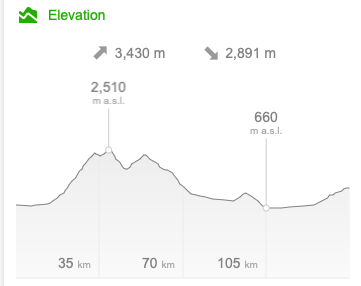
The stage starts at Hotel Berner in Zell am See and heads south over the Grossglockner High Alpine Road, including the detour to Kaiser-Franz-Josefs-Höhe.
The route then continues via Heiligenblut, Großkirchheim, Mörtschach, Winklern and Huben to Gasthof Ködnitzhof in Kals am Großglockner.
Although pure driving time is under three hours, this should be treated as a full-day stage with plenty of time for viewpoints, photography, breaks and changing weather conditions.
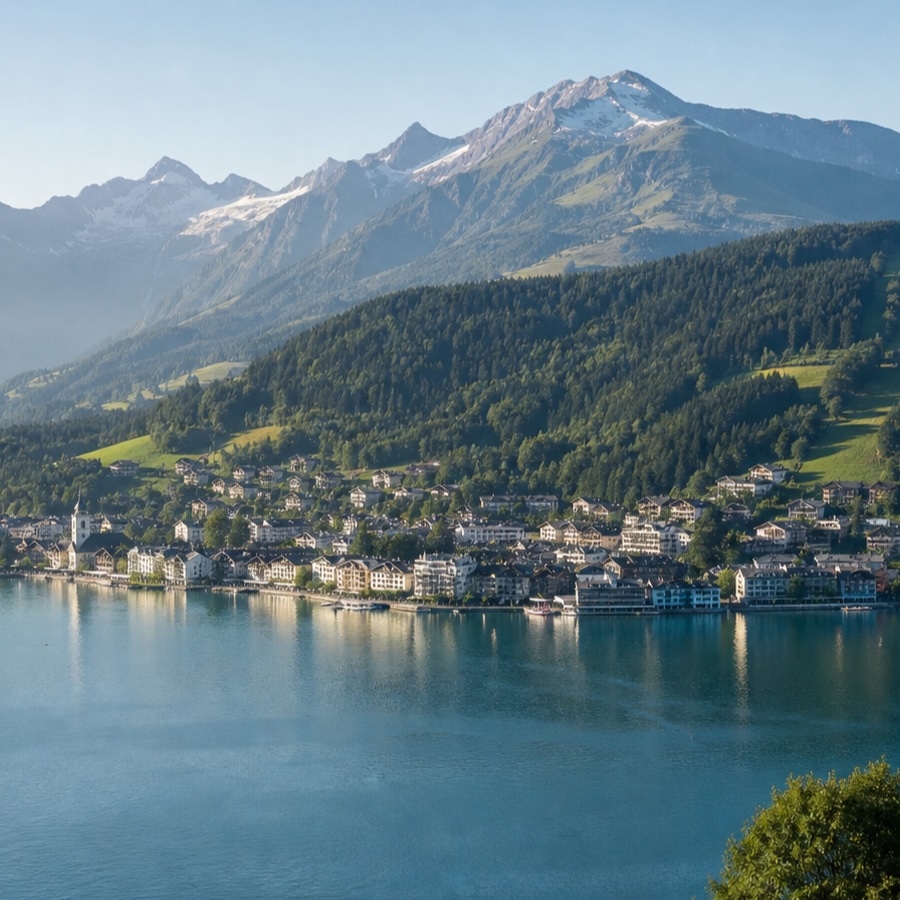
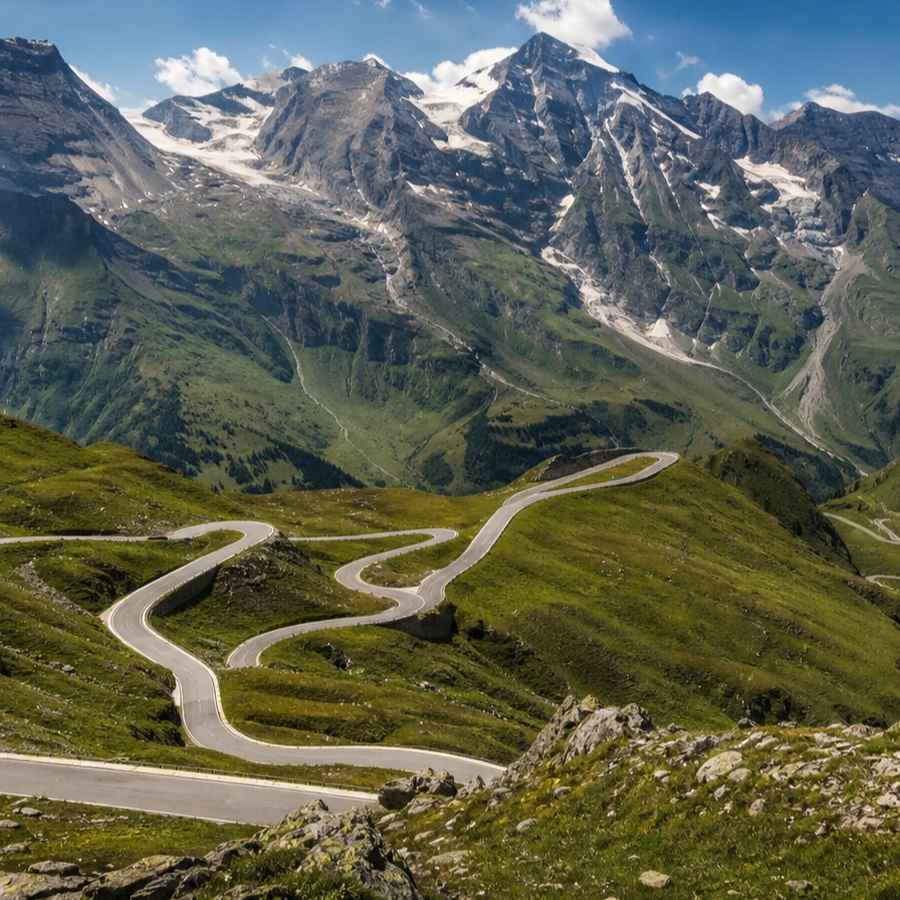
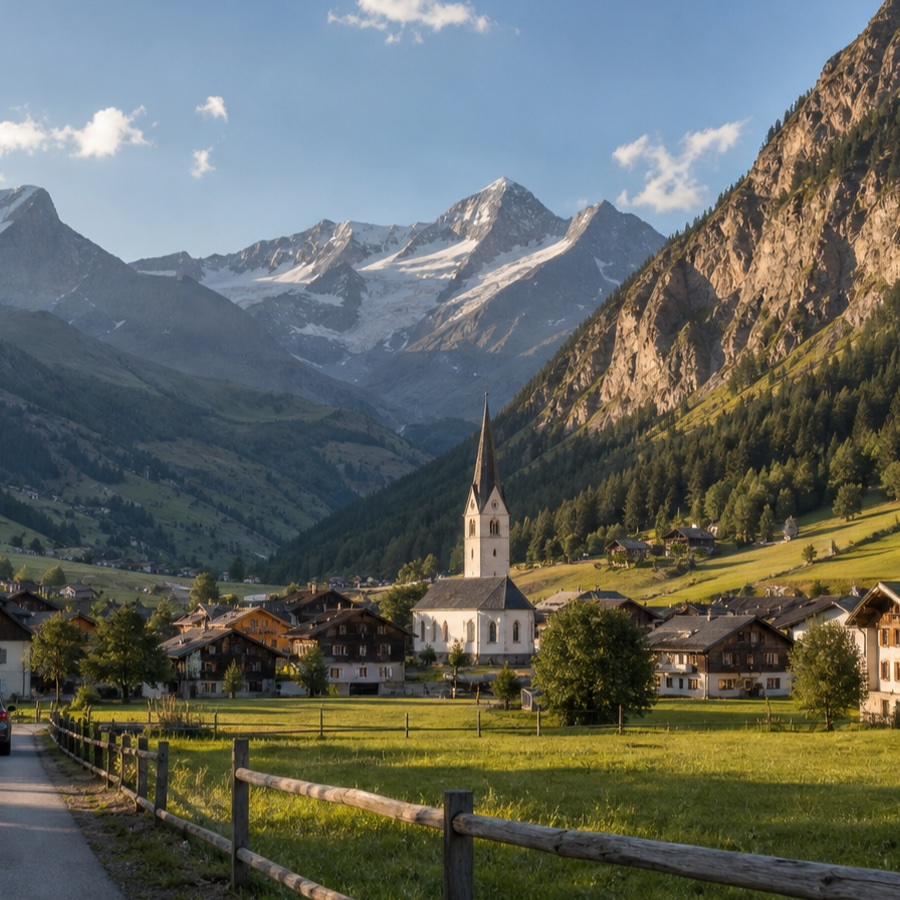
Hotel → mountain pass → viewpoint → today's hotel.
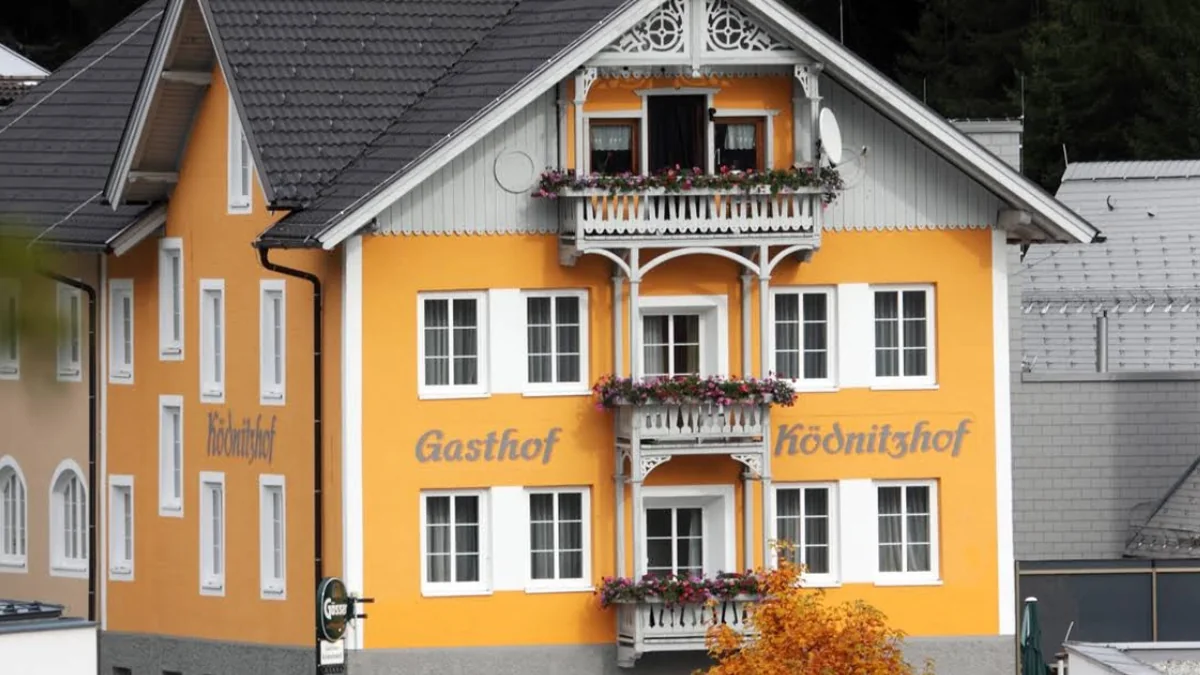
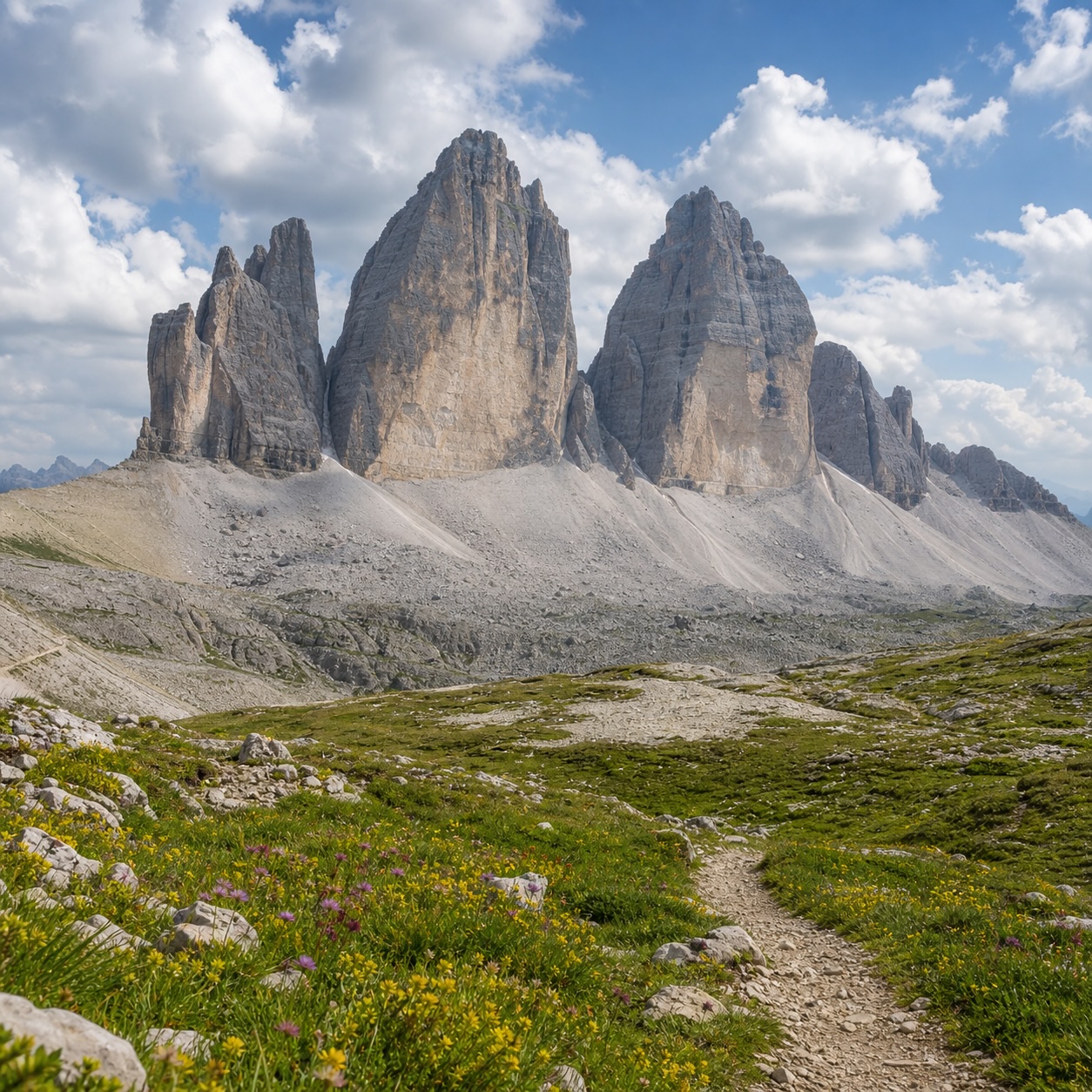
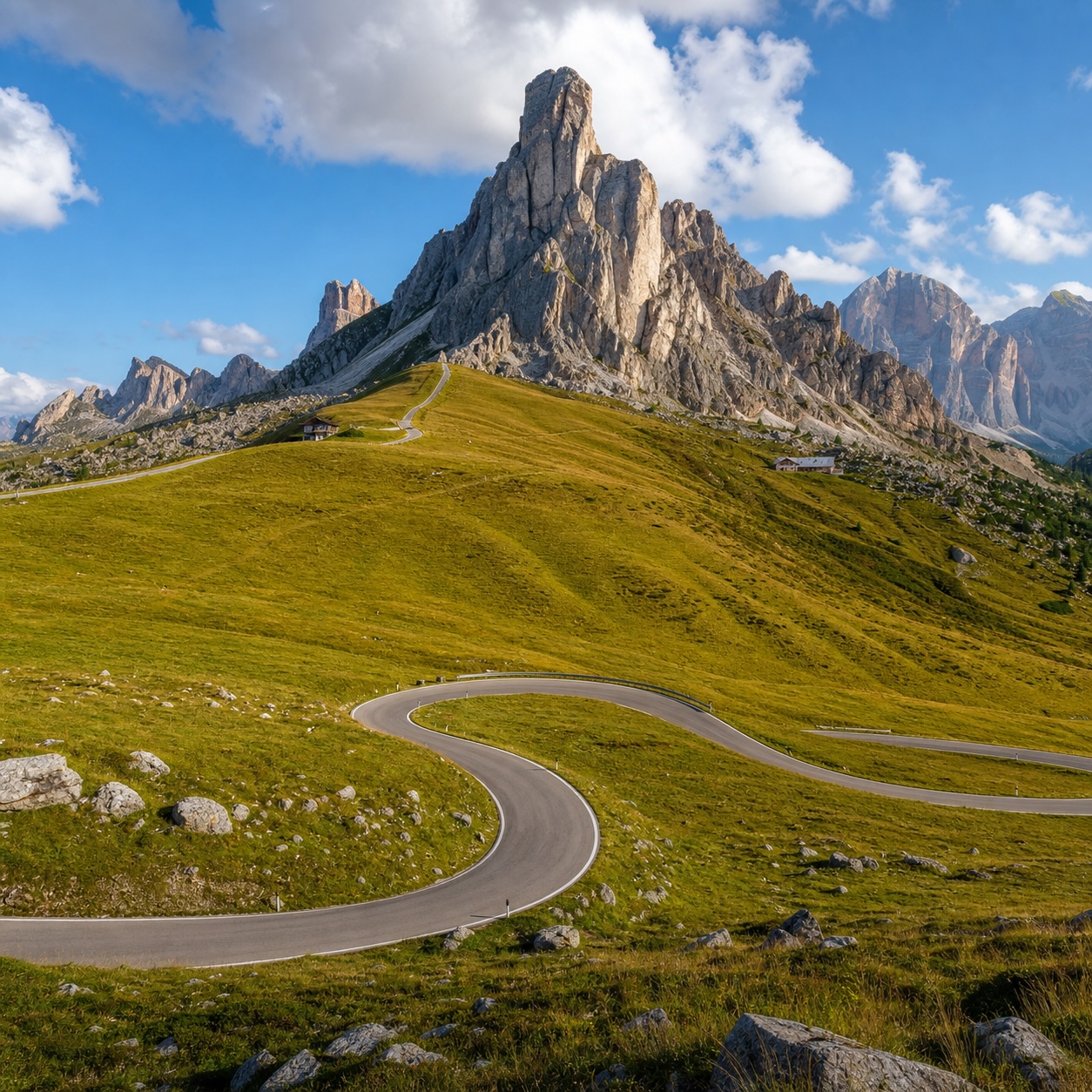
This will be a full and varied driving day through East Tyrol and the Dolomites, featuring several of the trip's best-known passes and panoramic roads. From Kals the route crosses Staller Sattel, where traffic is controlled in one direction at a time, before entering Italy and heading towards the iconic Tre Cime di Lavaredo.
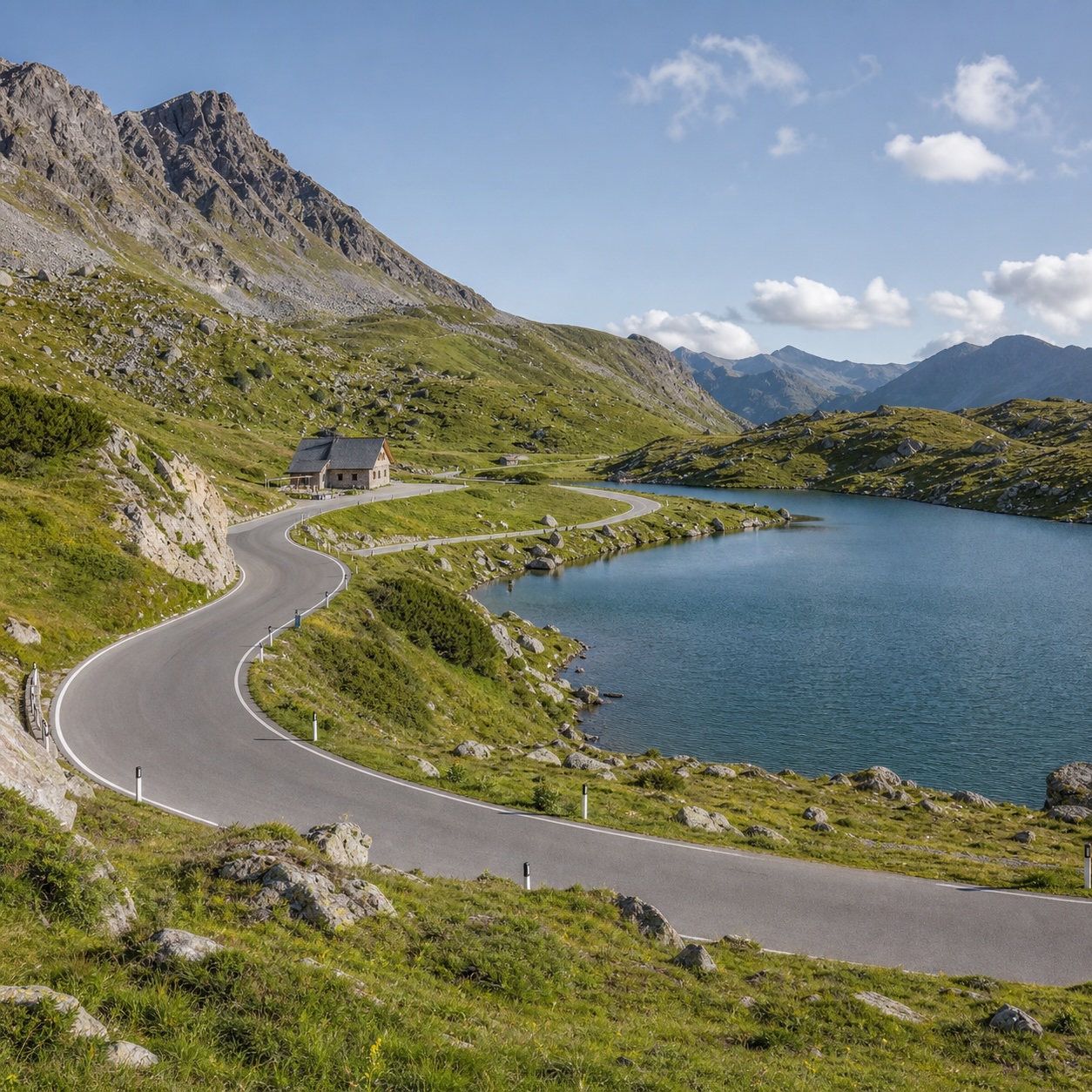
From there, the route takes in the excellent bends of Passo di Giau, views towards Marmolada at Fedaia and a spectacular finish over Sella Pass to Selva di Val Gardena. Start early and allow the whole day for viewpoints, photography and short stops.
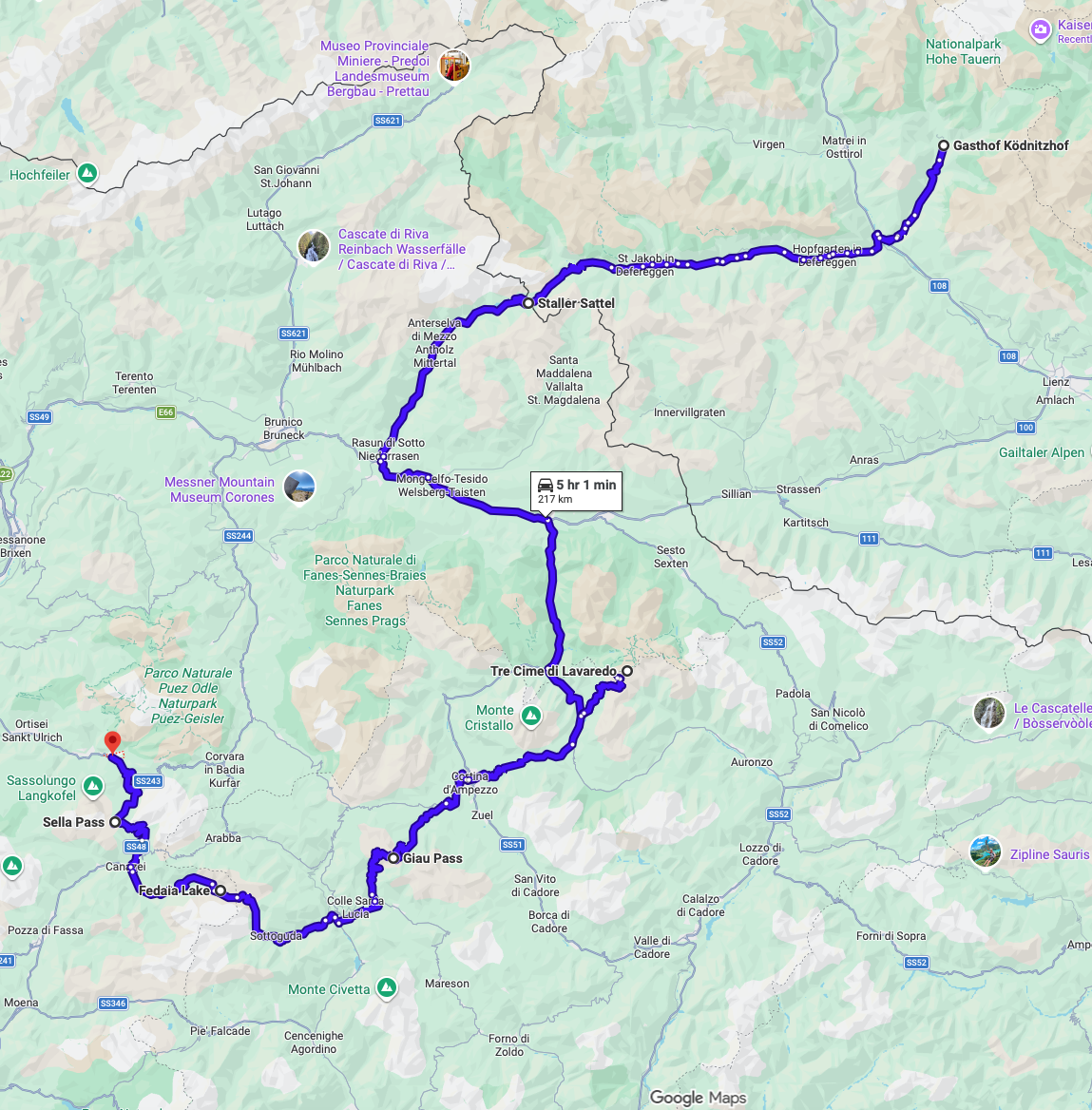
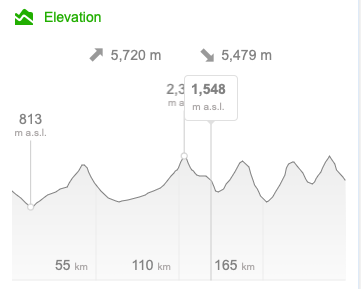
The stage starts at Gasthof Ködnitzhof in Kals am Großglockner and first crosses Staller Sattel at 2,052 m. Parts of the mountain road are narrow and use timed one-way traffic.
The route then continues to Tre Cime di Lavaredo and over Forcella di Giau at 2,370 m. It passes Lake Fedaia beneath Marmolada and crosses Sella Pass at 2,218 m before finishing in Sëlva di Val Gardena.
Pure driving time is about five hours, but the stage should be treated as a full day of at least eight to ten hours. Allow plenty of time for traffic control at Staller Sattel, access and parking at Tre Cime, viewpoints, photography, meals and changing weather.
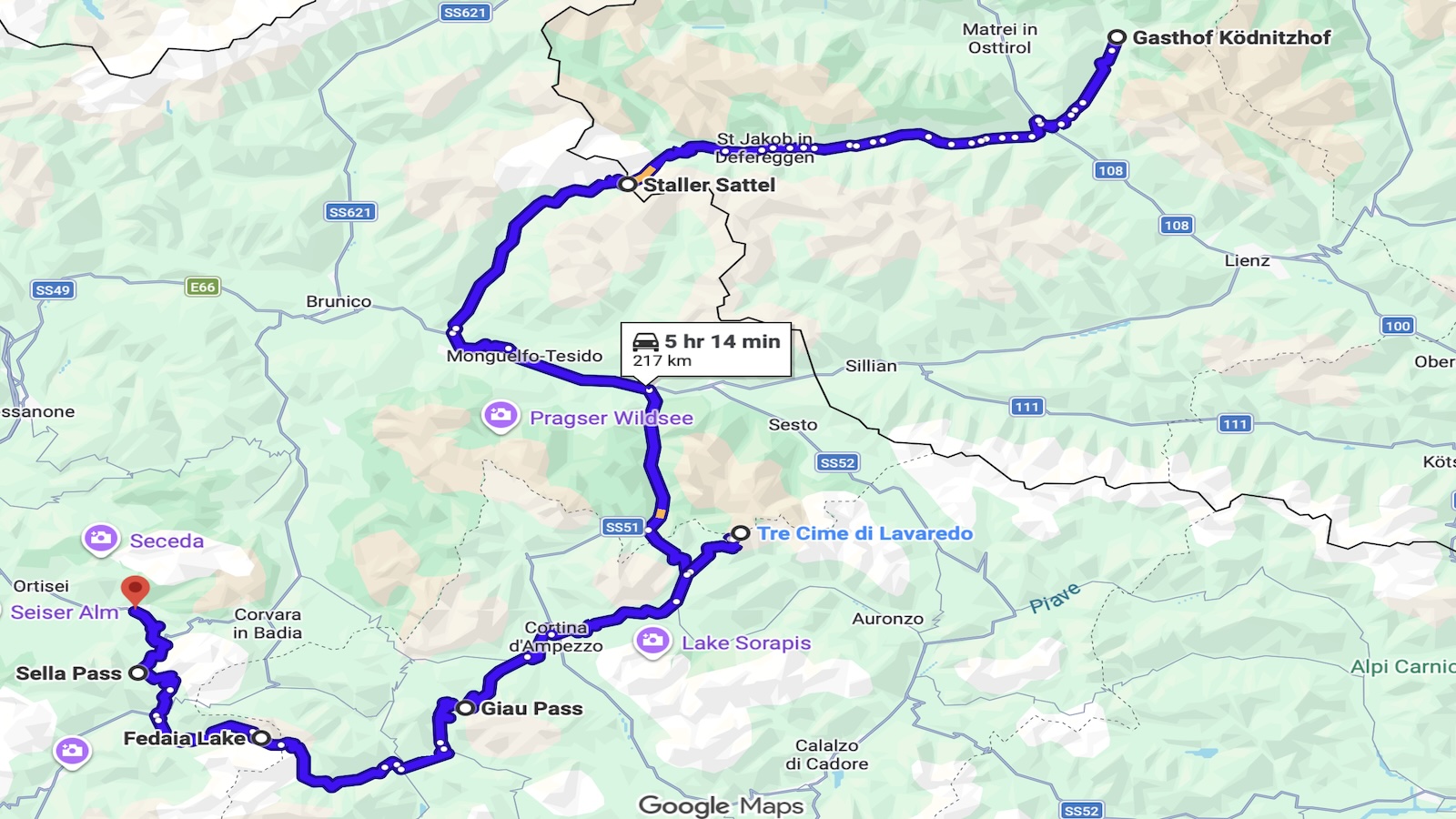
Kals → Staller Sattel → Tre Cime → Passo di Giau → Fedaia → Sella Pass → Selva.
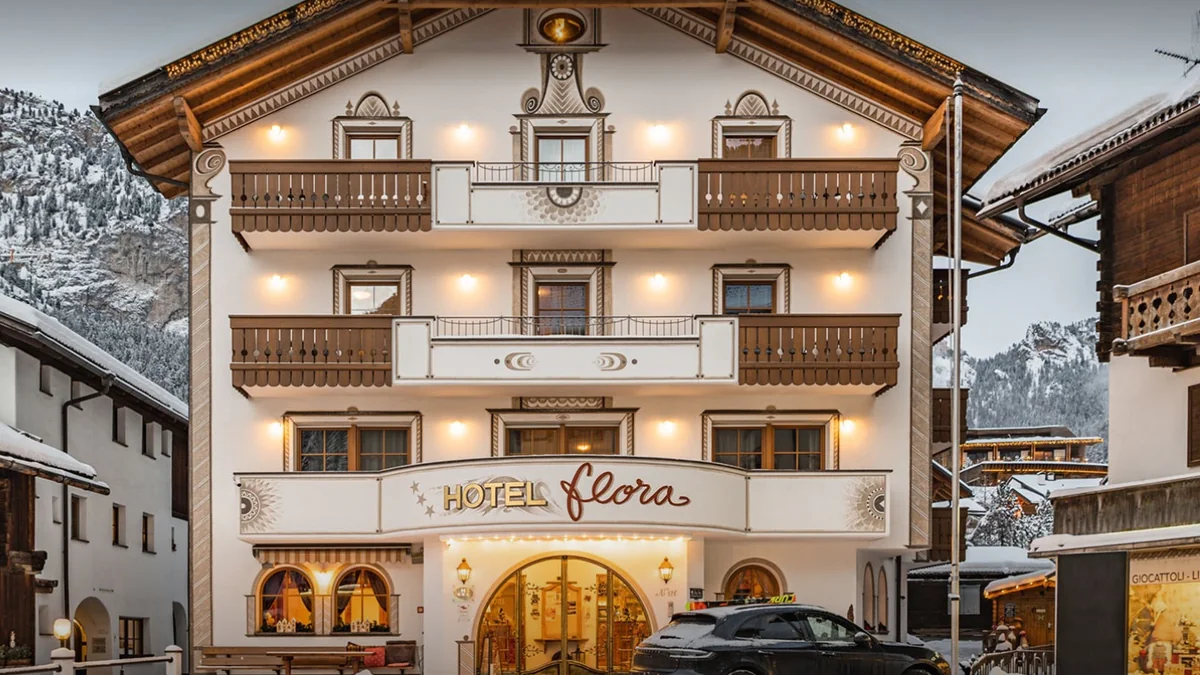
The hotel is centrally located in Selva di Val Gardena at the end of the day's mountain stage.
This is one of the trip's most important and varied driving stages, running from the Dolomites to Bormio in Lombardy. From Selva the route heads west towards Bolzano and climbs the excellent hairpins to Mendel Pass before continuing through the mountains towards Tonale Pass.
The highlight of the day is Gavia Pass, known for its narrow road, steep mountainsides and dramatic high-Alpine scenery. Drive carefully and be prepared for oncoming traffic on the narrowest sections. After descending from Gavia, the day ends in the historic mountain town of Bormio.
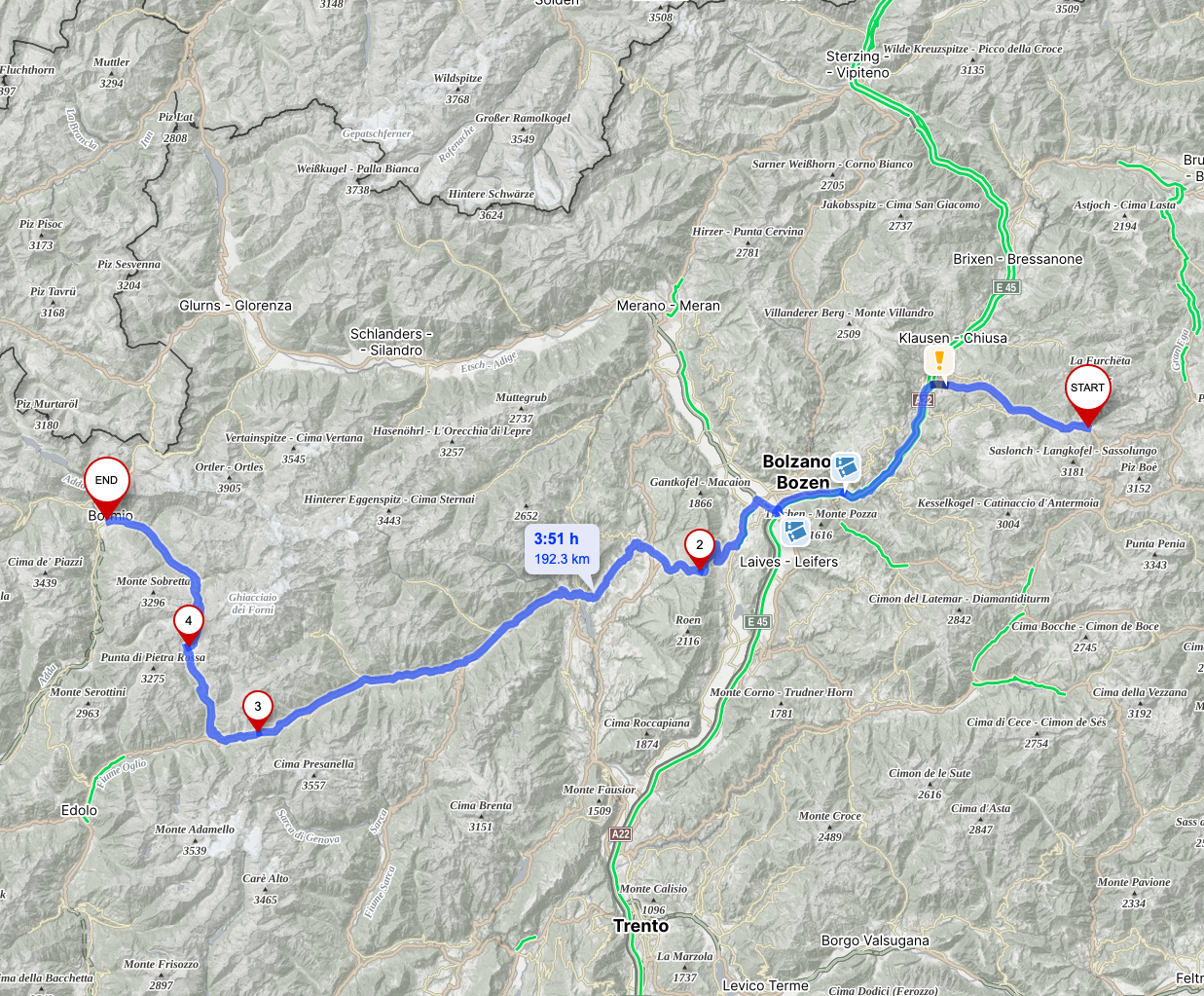
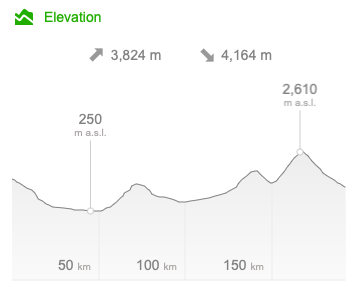
The stage starts at Hotel Flora in Selva di Val Gardena and heads west through the Dolomites towards Bolzano. After descending to the day's lowest point, the route climbs the hairpins towards Mendel Pass.
The route continues west to Tonale Pass at around 1,880 m and then on to Gavia Pass, whose narrow roads and dramatic high-mountain landscape form the highlight of the day at around 2,610 m.
After Gavia there is a long and demanding descent to Bormio, where the stage ends at Albergo Silene. Although the pure driving time is under four hours, allow plenty of time for viewpoints, photography, breaks and careful driving on the narrowest sections.
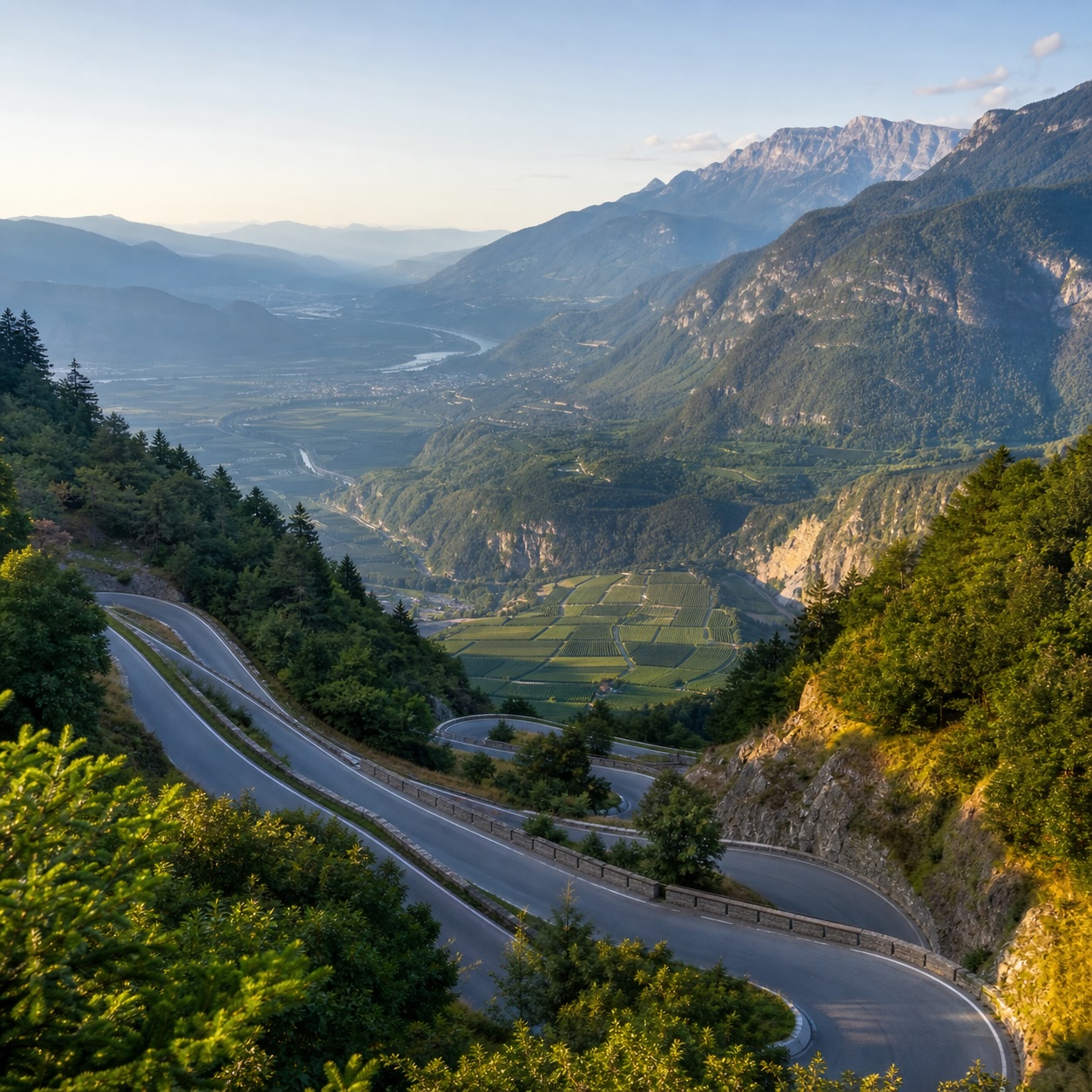
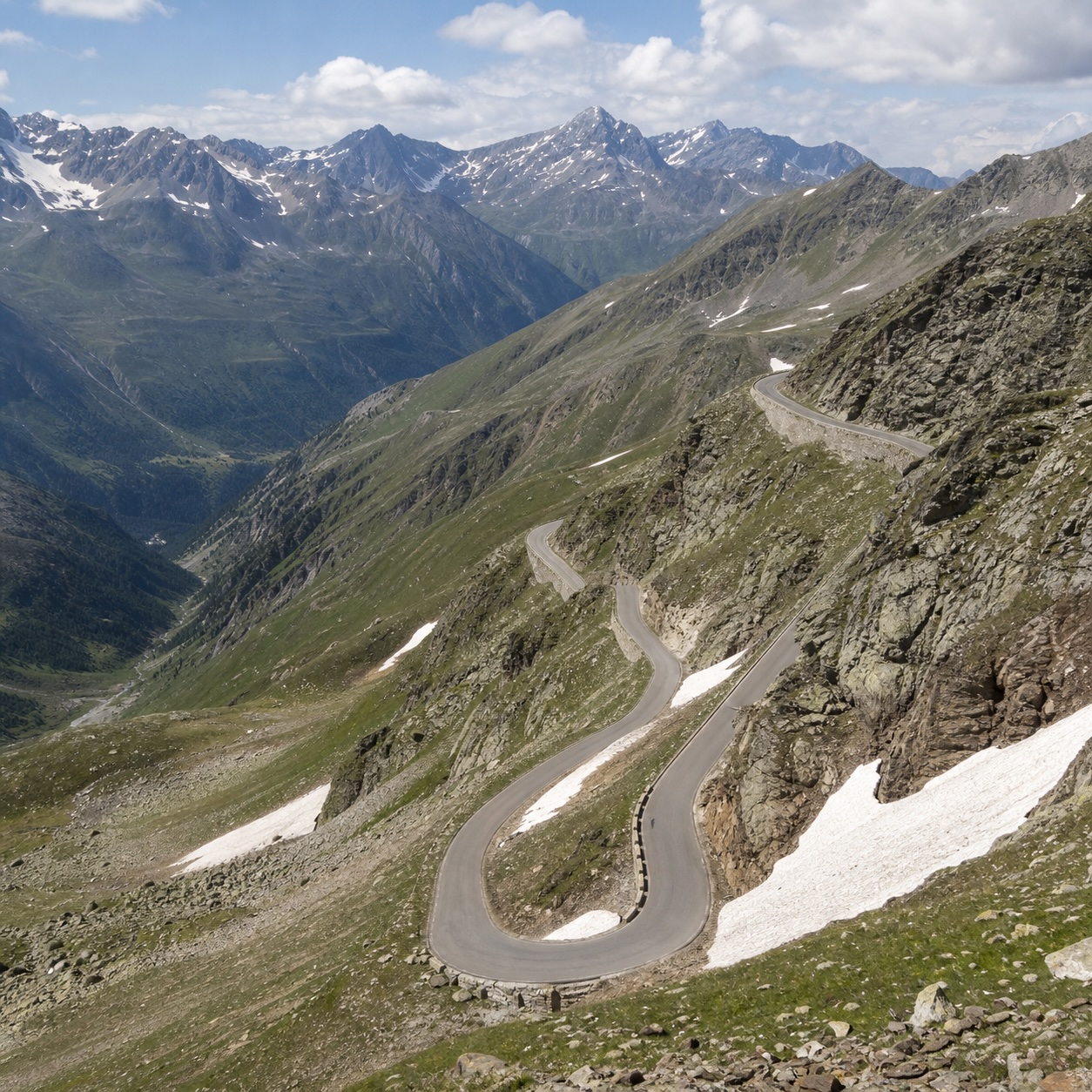
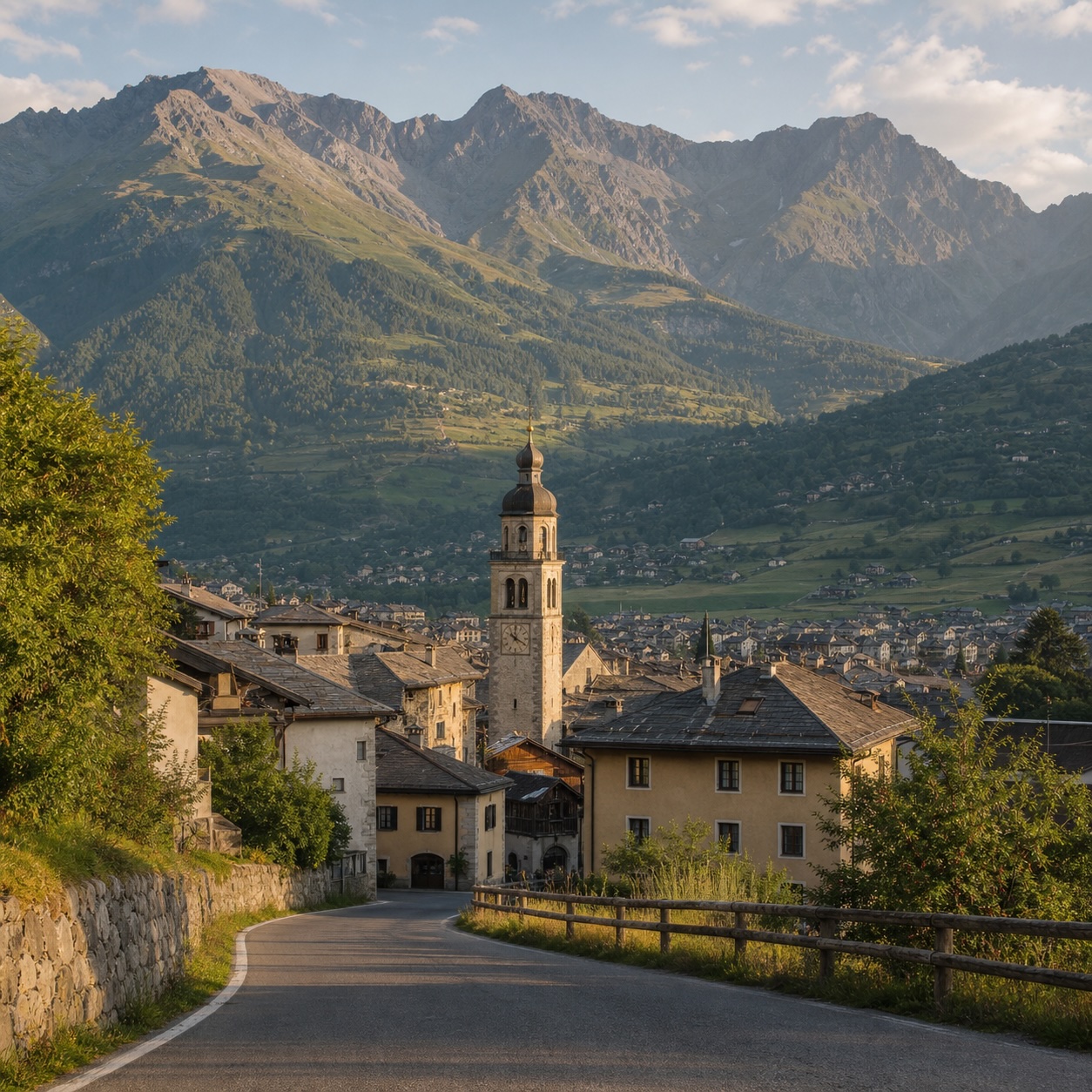
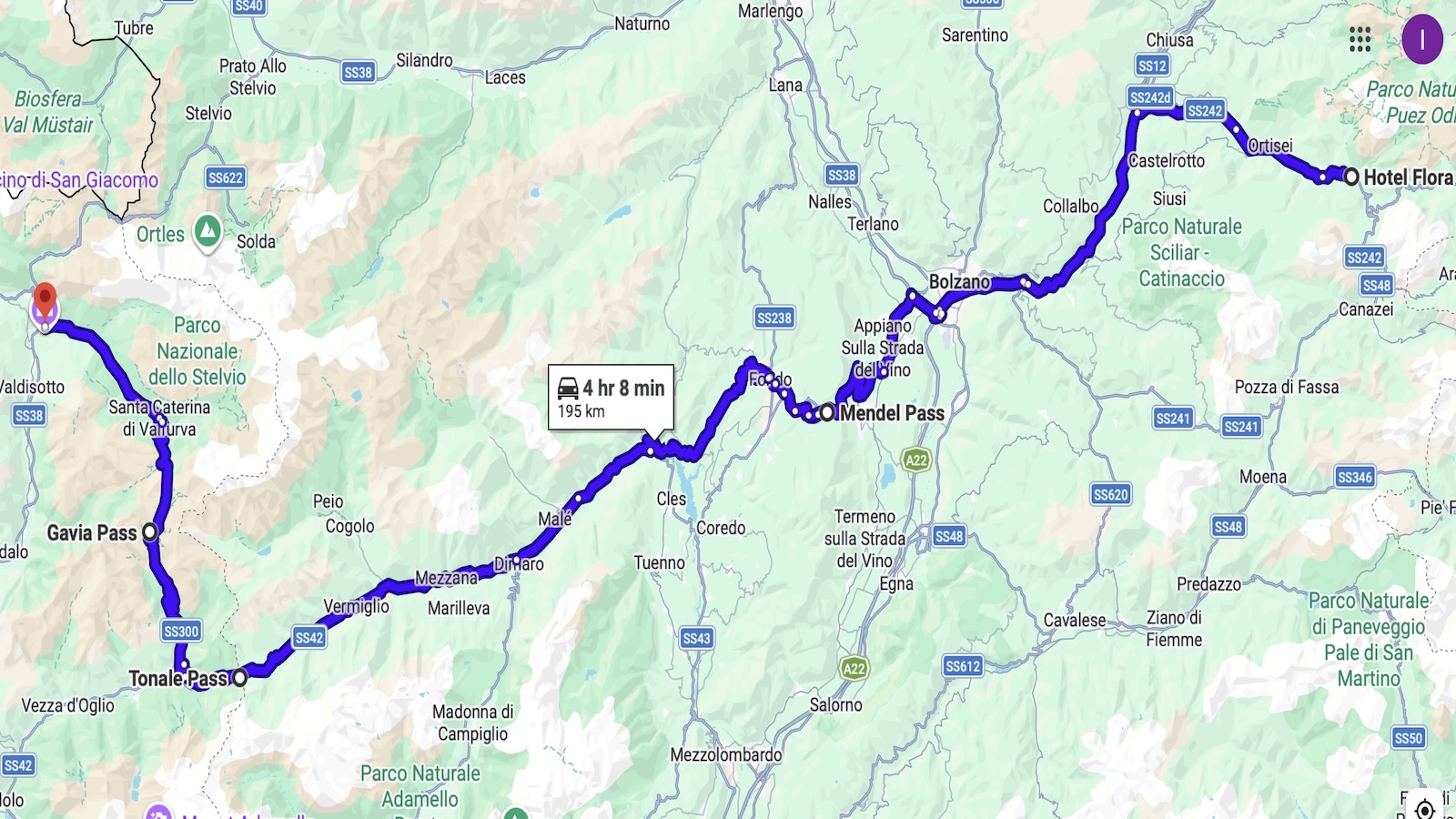
Selva → Mendel Pass → Tonale Pass → Gavia Pass → Bormio.
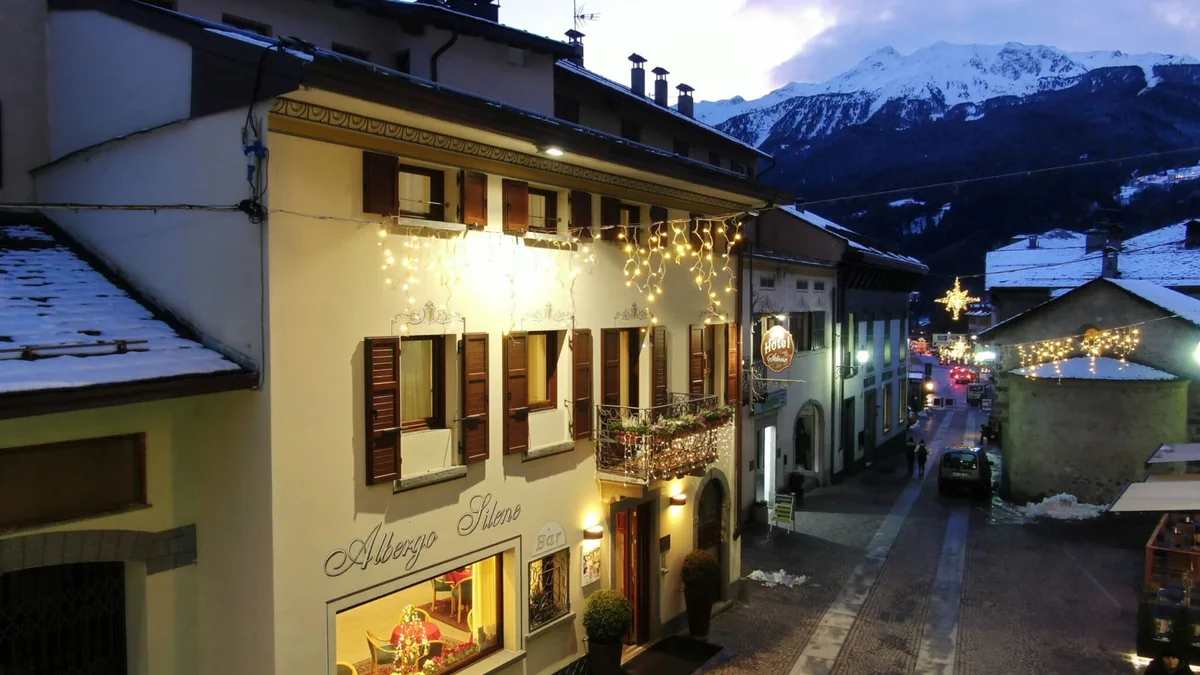
The hotel is centrally located in Bormio and provides a good starting point for Stelvio Pass the following morning.
This day is devoted to some of the most famous mountain roads in the Alps. From Bormio the route climbs to Stelvio Pass and continues down the iconic hairpins towards Prato allo Stelvio. The route then returns via the Stelvio area before heading south through Bormio to Tirano.
From Tirano the road climbs back into Switzerland and over Bernina Pass, with views of Lago Bianco, glaciers and the Bernina massif. The day ends in Samedan. Allow plenty of time for photography, breaks and possible traffic around Stelvio – this is a day to enjoy rather than rush.
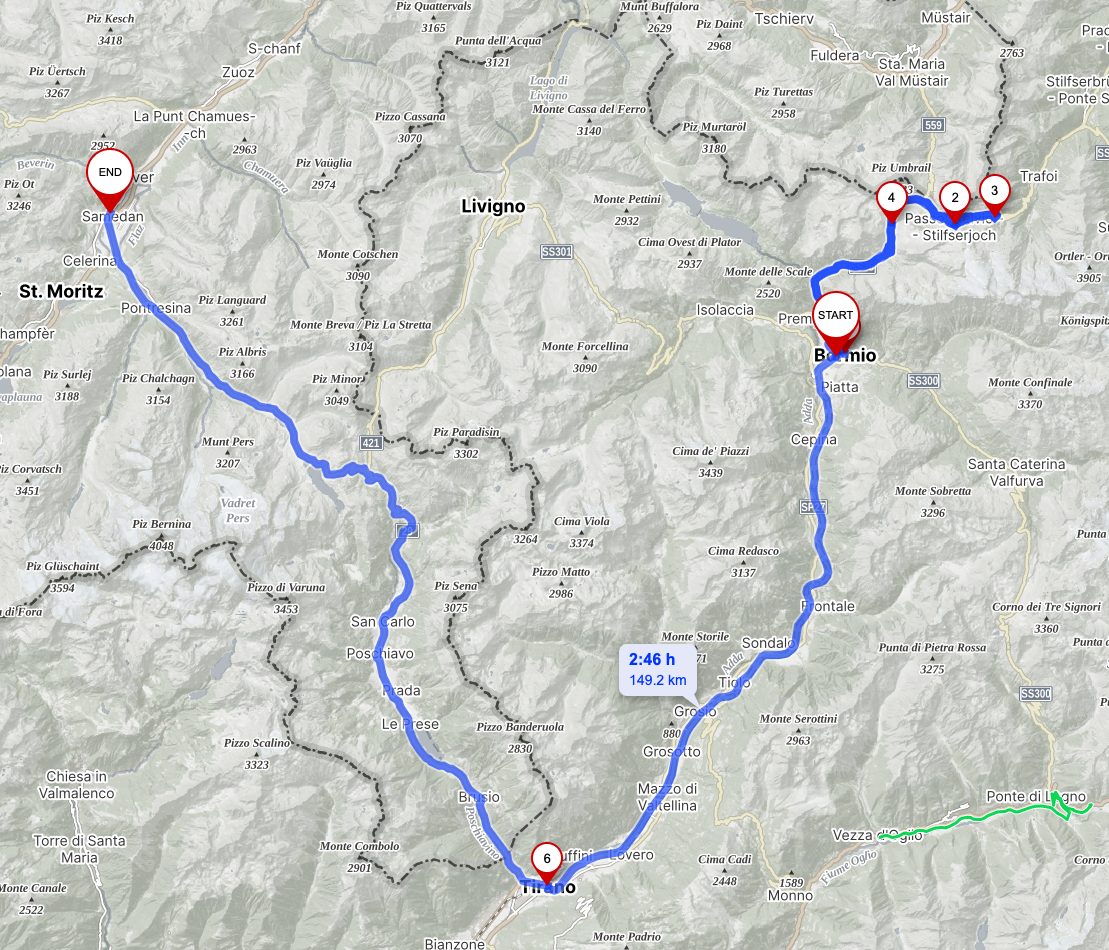
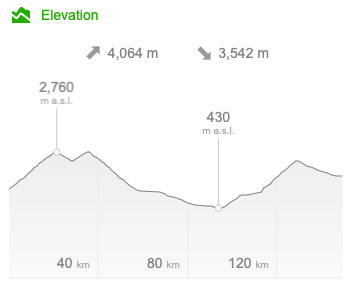
The stage starts at Albergo Silene in Bormio and climbs the western side of Stelvio Pass. After the summit at around 2,758 m, the route continues down the spectacular eastern side to Berghotel Franzenshöhe.
Franzenshöhe is the turning point. After a break, the route heads back over Stelvio Pass and descends to Bormio. From there it continues south to Tirano before climbing again into the high-Alpine landscape via Poschiavo and Bernina Pass.
The day ends at Hotel Terminus in Samedan. Although pure driving time is under three hours, allow approximately five to six hours including stops on Stelvio, a break at Franzenshöhe, photography, traffic and changing weather.
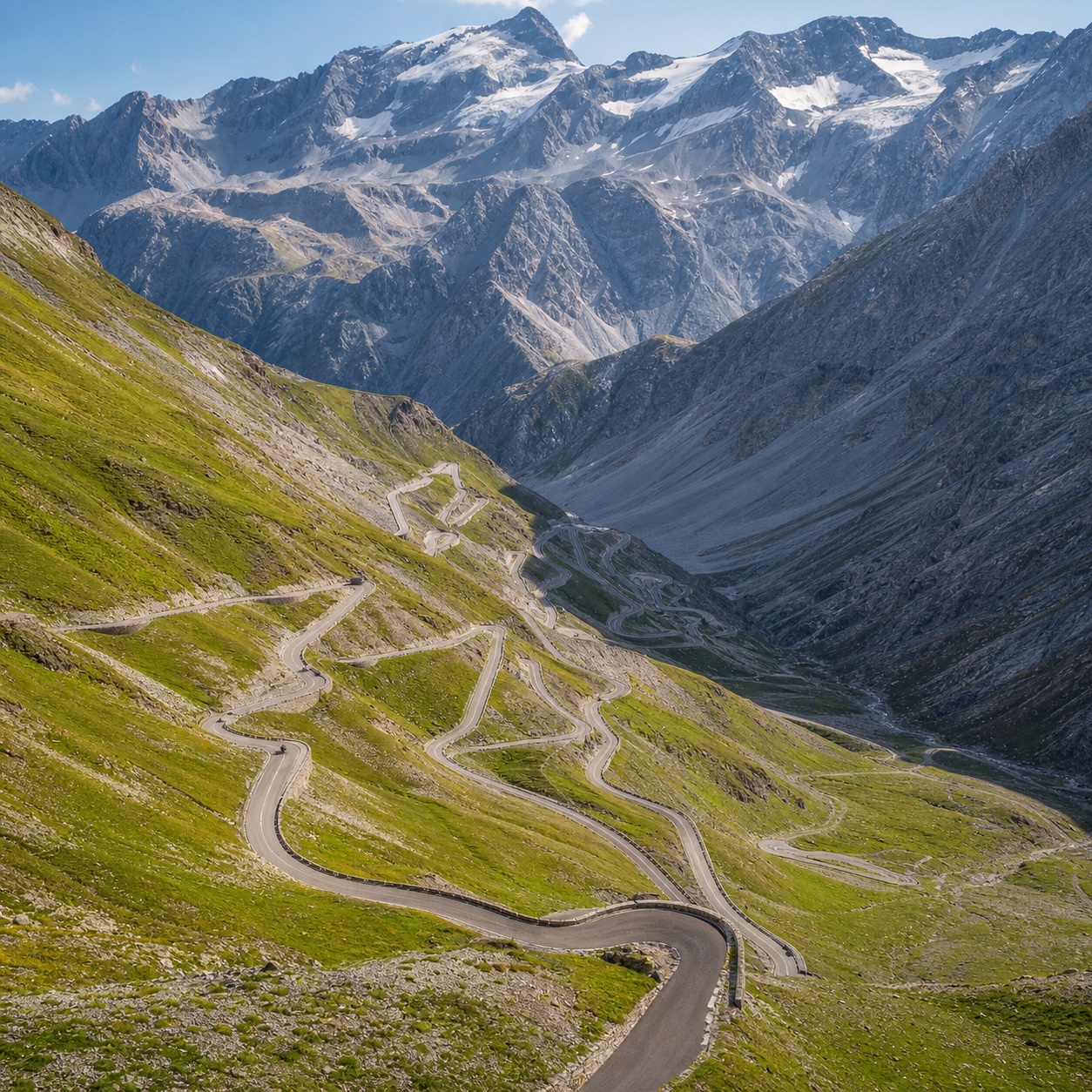
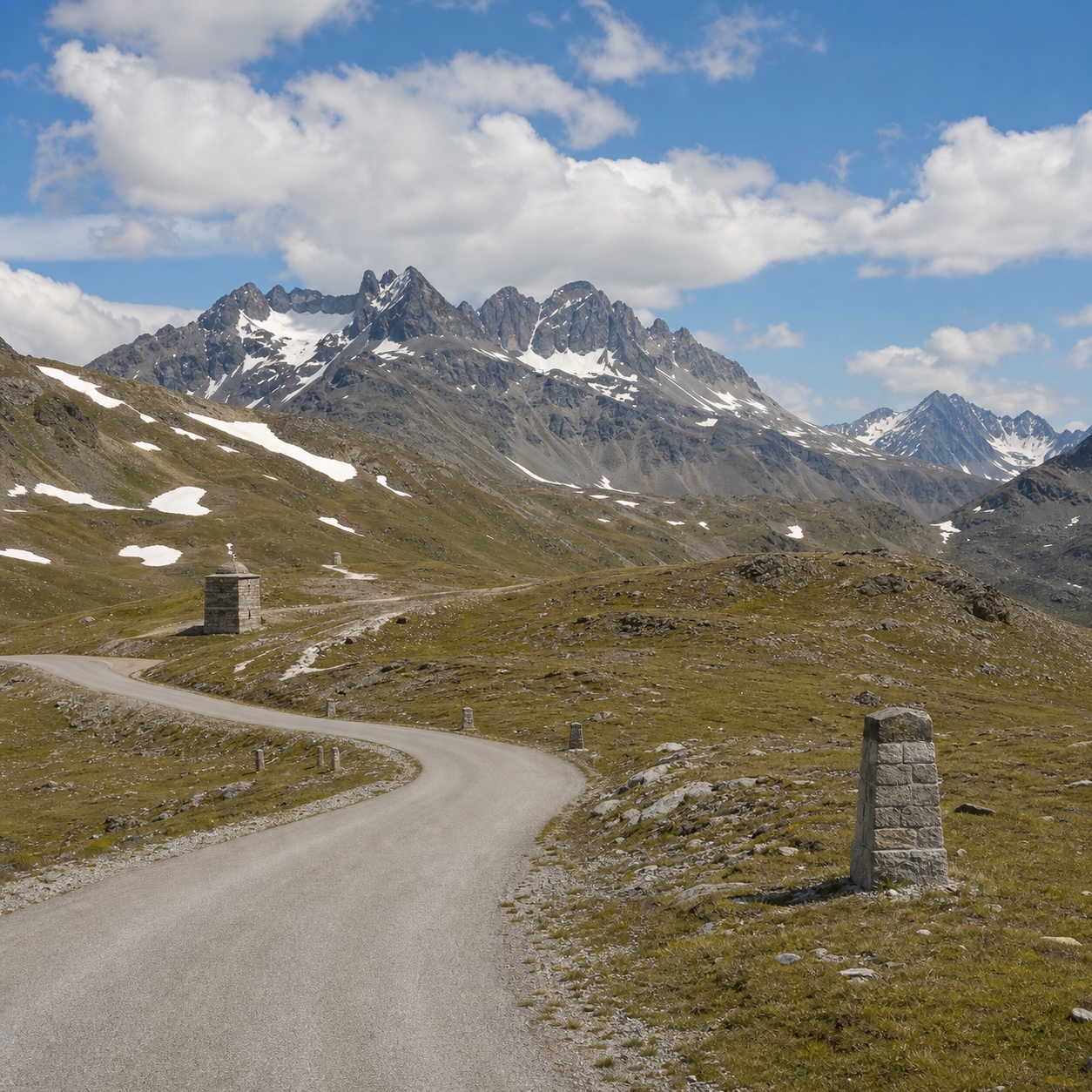
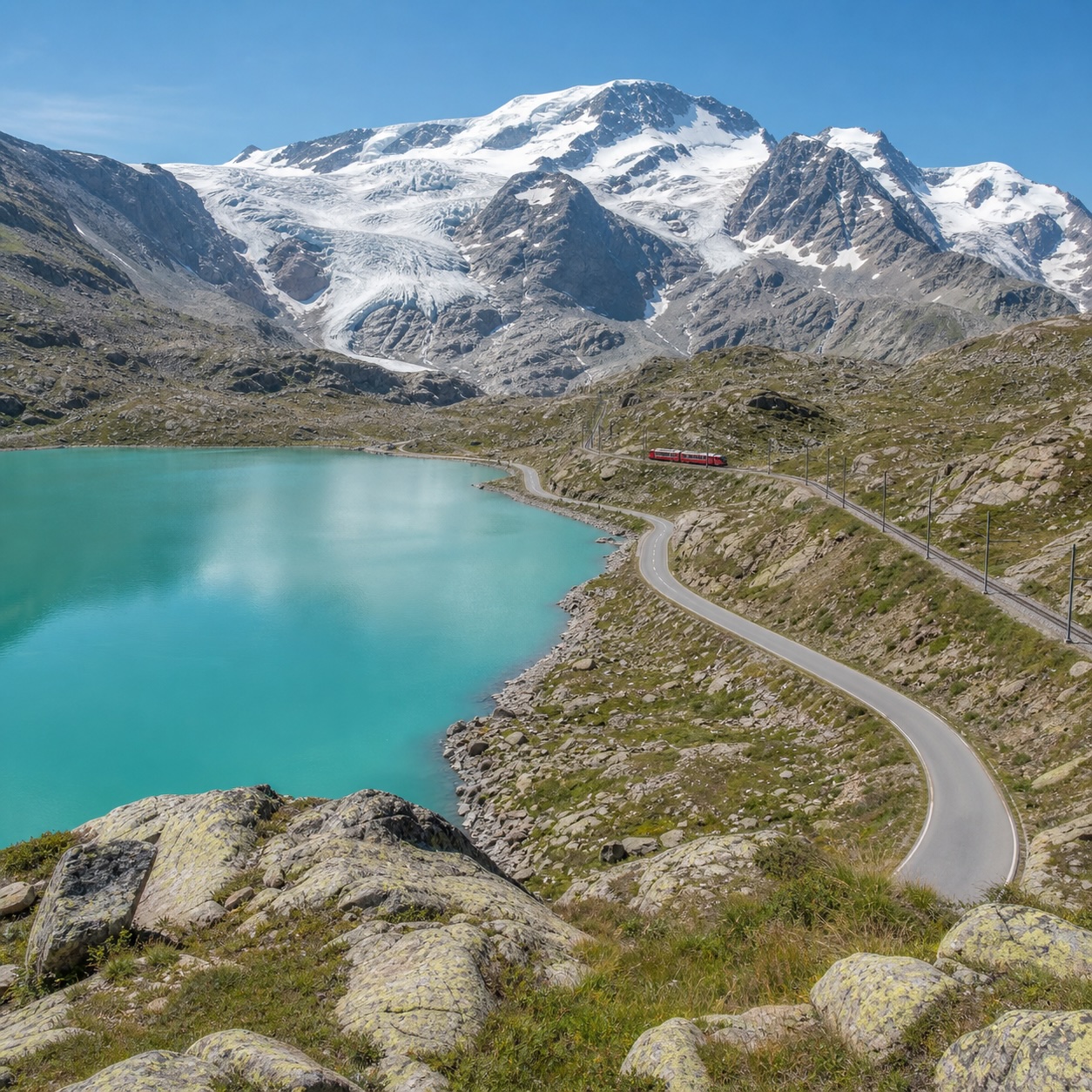
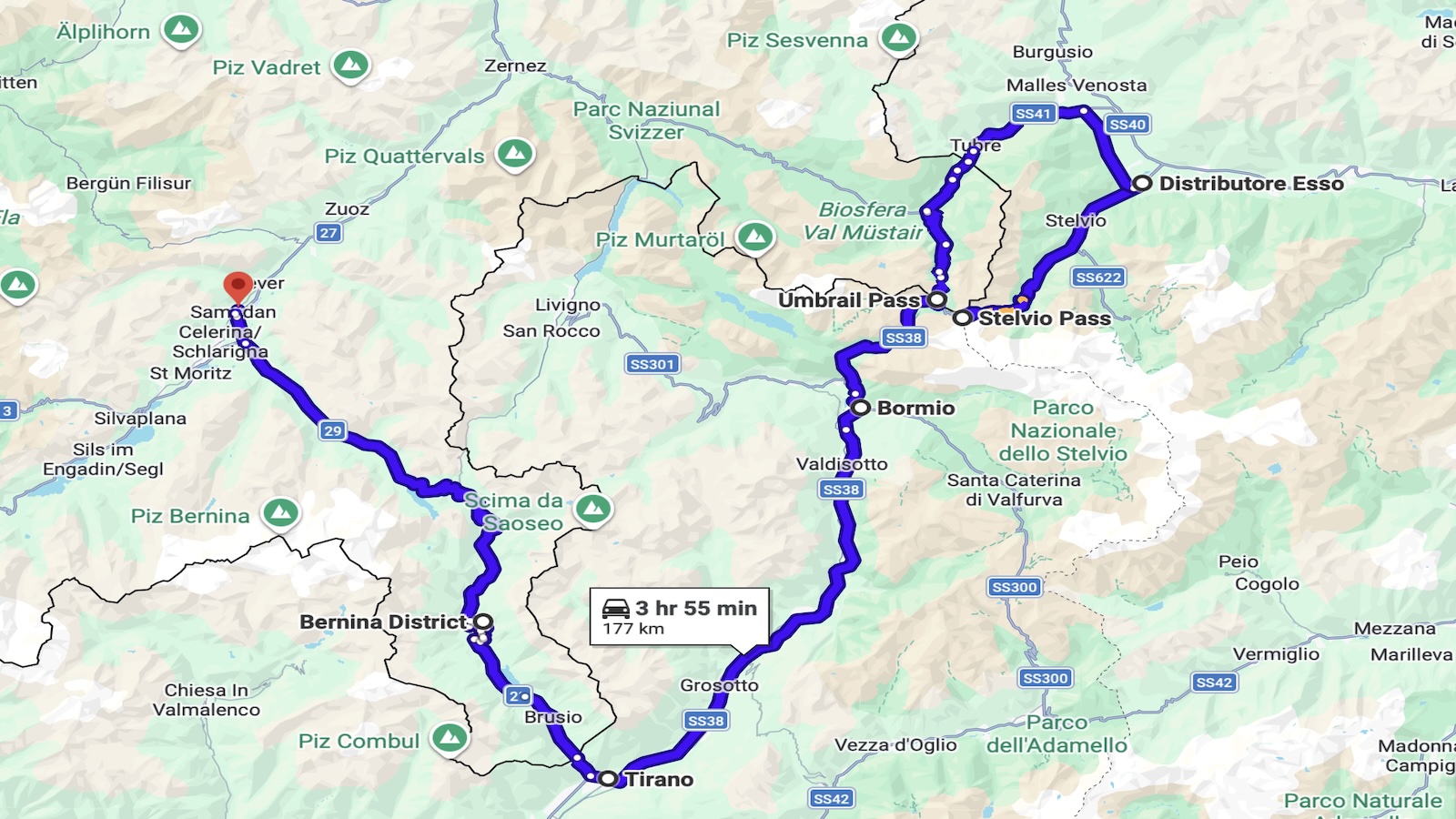
Bormio → Stelvio → Prato allo Stelvio → Umbrail → Bormio → Tirano → Bernina → Samedan.
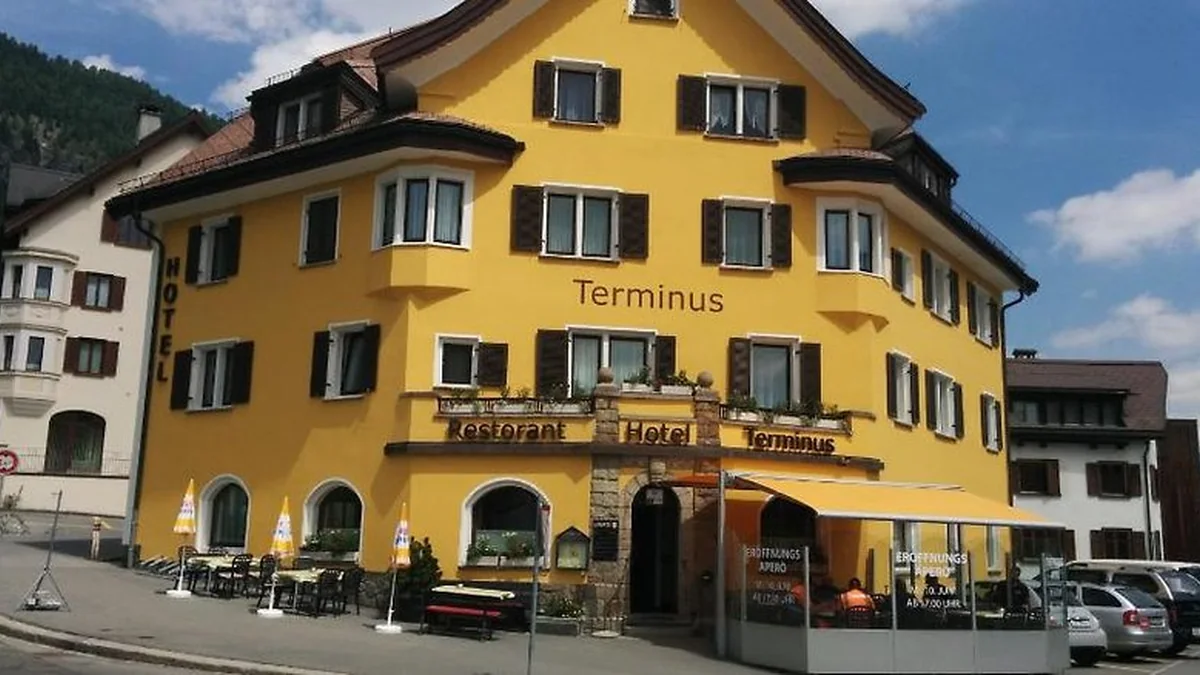
The hotel is in Samedan, close to Pontresina and the start of the next day's mountain stage.
The final day in the Alps is a long and varied stage through some of Switzerland's most beautiful mountain regions. From Samedan the route heads north over Flüela Pass and towards Davos before turning south again across Albula Pass and Maloja.
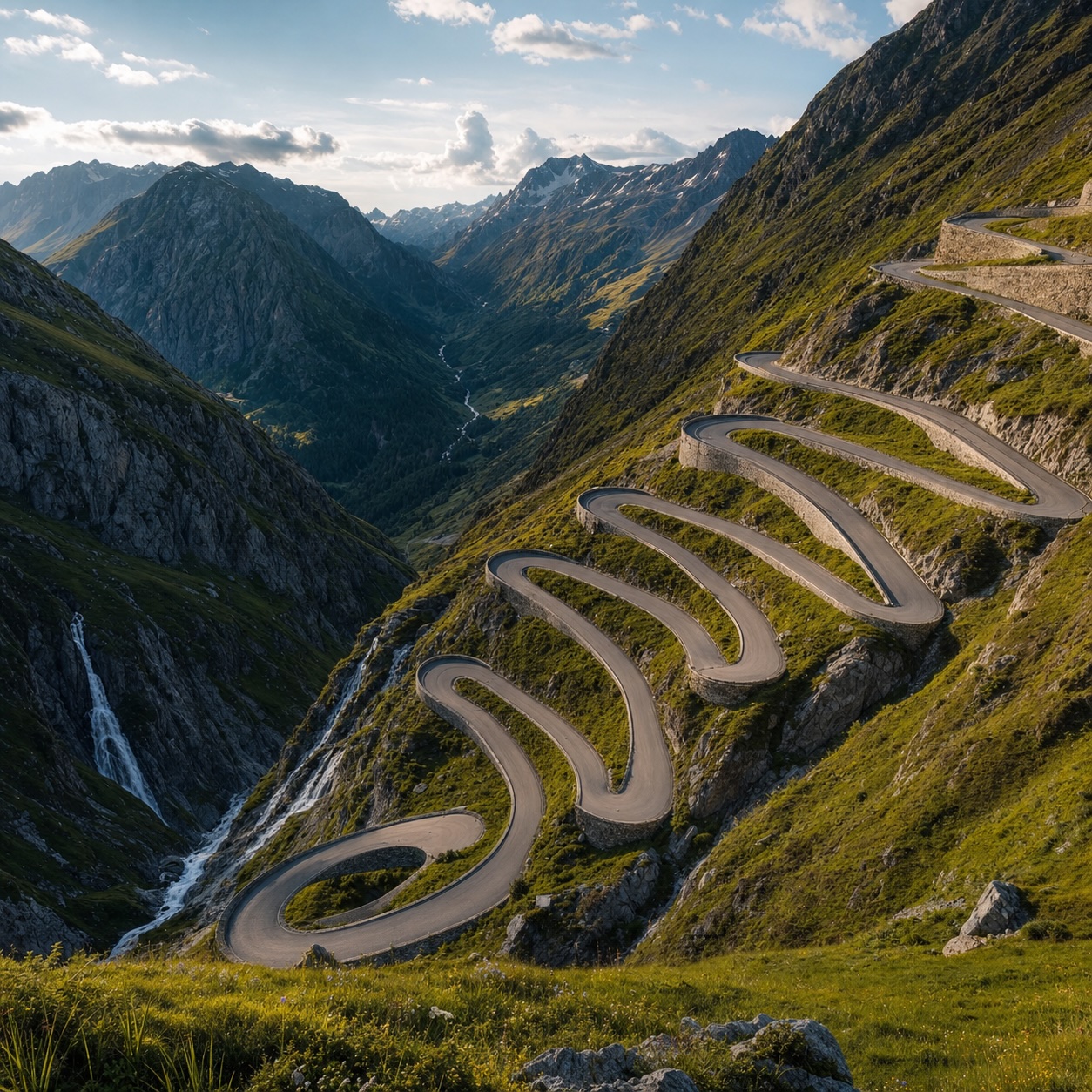
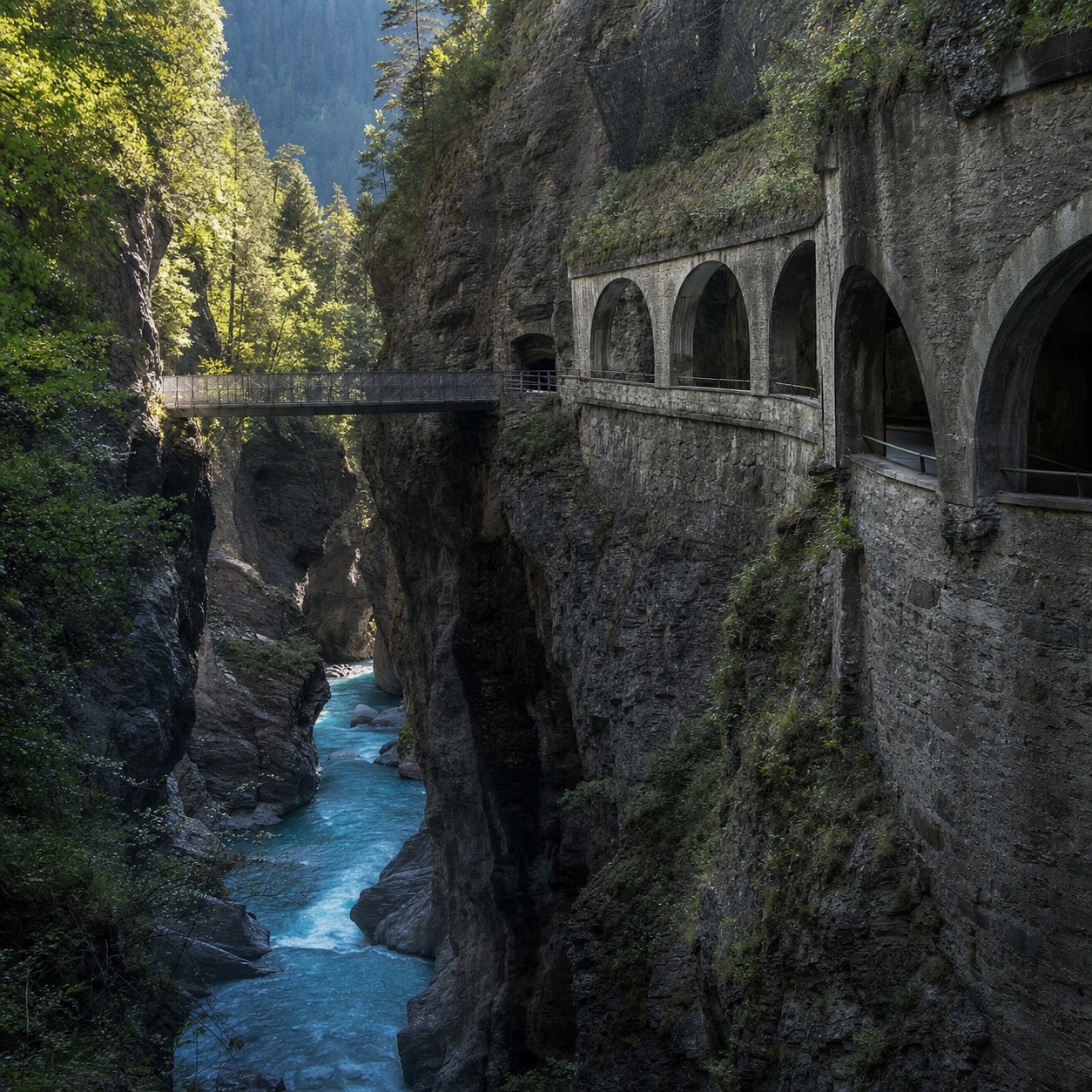
From there the route continues via Chiavenna and the impressive hairpins of Splügen Pass back into Switzerland. A stop at the dramatic Viamala Gorge provides a fitting finale before the road continues north to Chur. Start early and allow extra time for stops, photography and changing conditions.
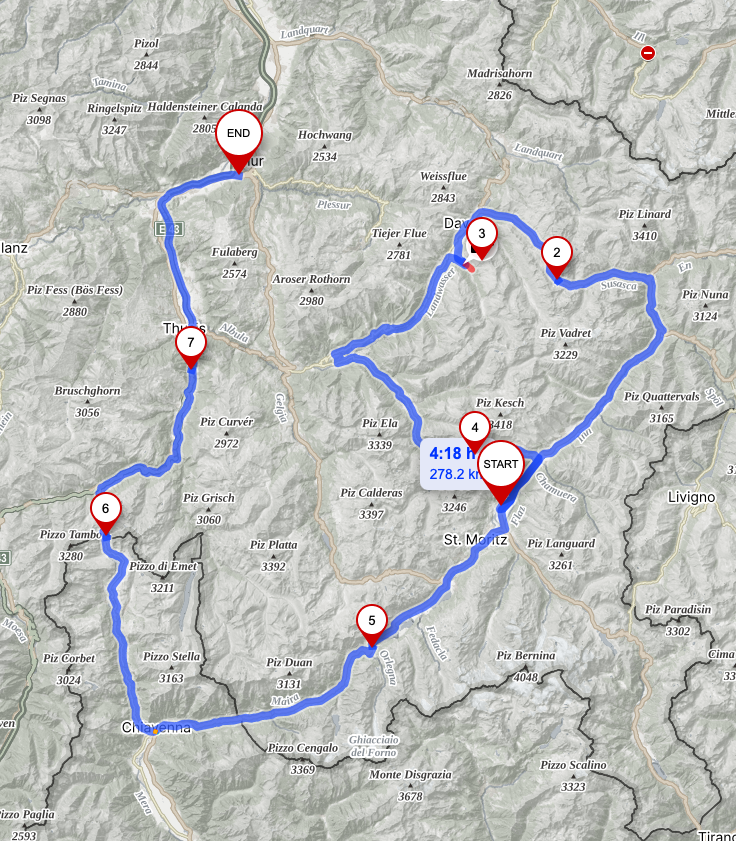
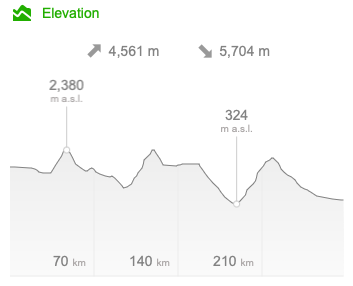
The final Alpine stage starts at Hotel Terminus in Samedan. The route first heads north to Flüela Pass at 2,383 m and continues towards Davos before turning south again towards Albula Pass at 2,312 m.
From Albula the route continues through the Engadin and over Maloja Pass. After the long descent towards Chiavenna, another major climb begins to Splügen Pass at 2,113 m before the route returns to Switzerland.
The final section passes through the dramatic Viamala Gorge and continues north to ibis Chur. With several mountain passes, large elevation changes and many natural stopping points, this should be planned as a full day of approximately eight to ten hours.
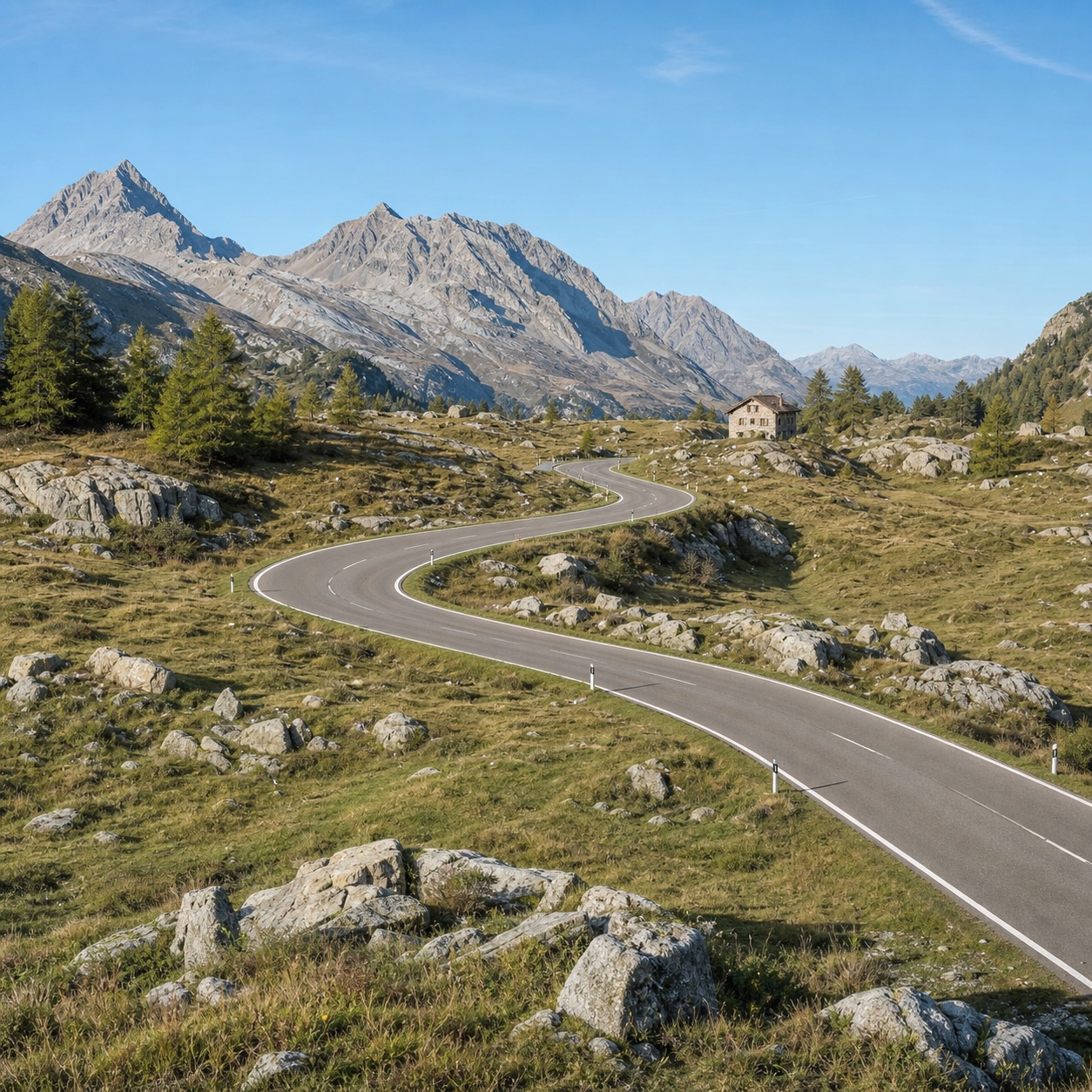
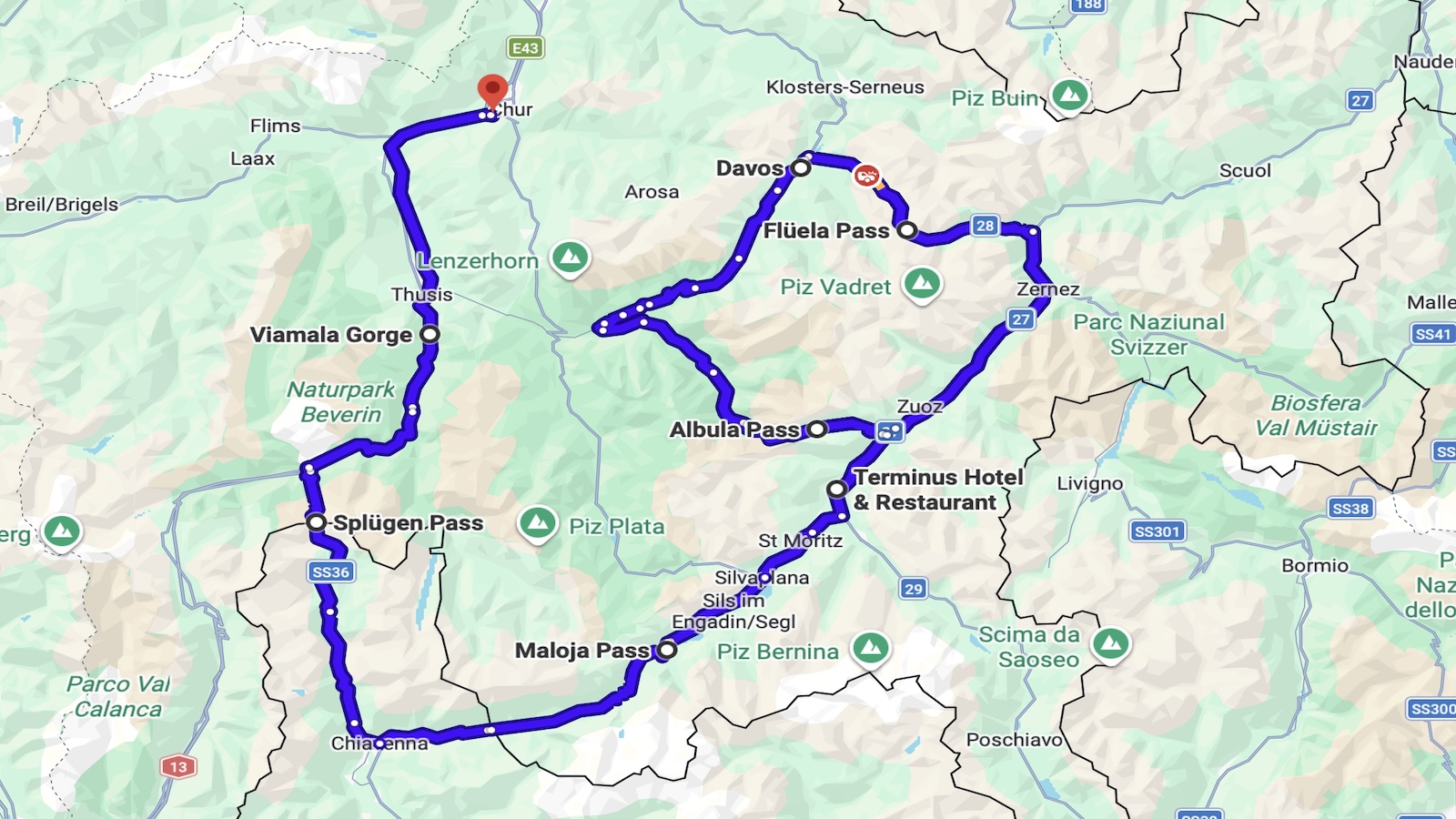
Samedan → Albula → Flüela → Maloja → Splügen → Viamala → Chur.
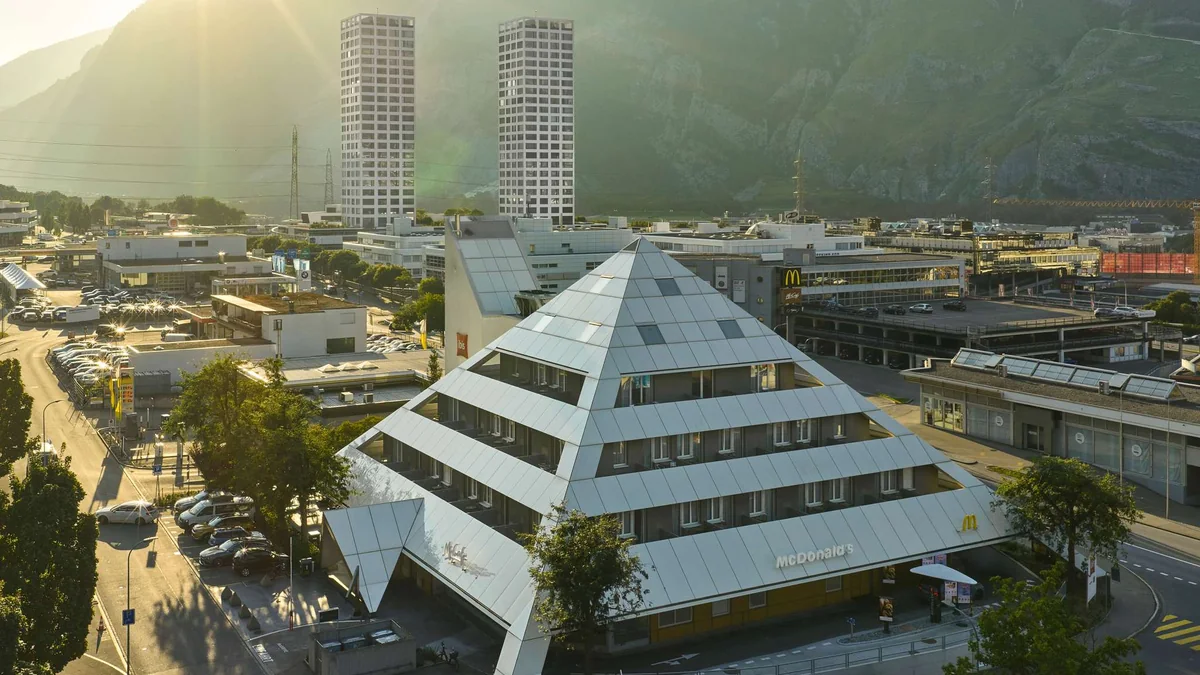
The hotel is conveniently located for the transport stage north the following day.
Participants who would like one more driving day can extend the trip with a spectacular route through central Switzerland. From Chur the route crosses Oberalp Pass, Furka Pass, Grimsel Pass and Susten Pass before continuing via Altdorf and Klausen Pass to Glarus.
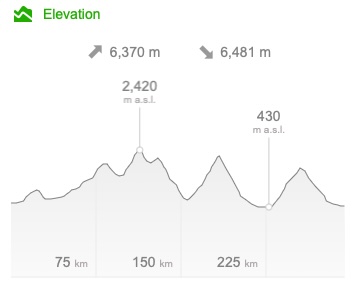
This is a long and demanding high-mountain stage with six well-known passes, large elevation changes and some of Switzerland's finest Alpine scenery. The route combines open high mountain landscapes, glaciers, reservoirs, hairpins, tunnels and deep Alpine valleys.
The calculated driving time is around four hours without stops, but the route should be treated as a full driving day. Allow plenty of time for breaks, photography, traffic and changing weather.
The optional stage finishes in Glarus. Participants must therefore organise their own overnight stay in the area and onward journey home. The route should only be driven if all the mountain passes are open and weather conditions are suitable.
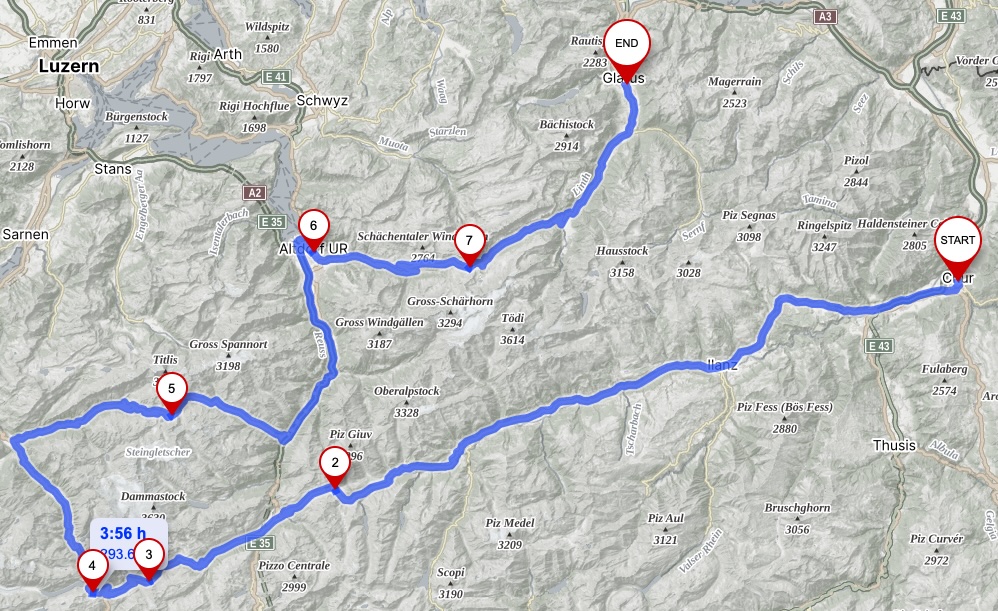
The first major climb from Chur, through Graubünden and west towards Andermatt.
2,044 mOne of Switzerland's most famous mountain passes and the highest point of the optional stage.
2,429 mA dramatic high-mountain road surrounded by mountains, reservoirs and rugged scenery.
2,164 mA superb mountain road with long bends, tunnels and views towards glaciers and Alpine valleys.
2,224 mA natural stop in the valley before the final major climb over Klausen Pass.
Approx. 455 mThe final mountain pass of the day, with narrow sections, large elevation changes and excellent views on the way to Glarus.
1,948 m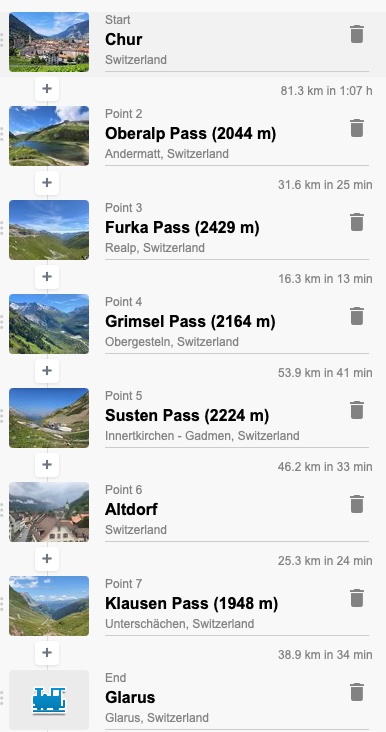
In my view, the best time for the trip is the first half of September 2027. Most mountain passes are normally still open, while traffic and tourist numbers are often lower than in July and August.
A good plan would be to meet in Zell am See on Sunday evening and start the Alpine tour on Monday morning. This places the most popular mountain sections on weekdays, when there is generally less traffic on Grossglockner, in the Dolomites and over Stelvio.
Option 1: Sunday 5 September to Friday 10 September 2027
Option 2: Sunday 12 September to Friday 17 September 2027
Weather in the Alps can vary considerably, even within the same day. Temperatures can be mild in the valleys while conditions are cold, windy and wet on the highest passes. Temperatures drop quickly with altitude, and some mornings may be only a few degrees above freezing on Grossglockner, Gavia, Stelvio and the Swiss passes.
September often brings clear days, good visibility and less heat than midsummer. At the same time, the days become shorter and the risk of heavy rain, fog and early snow increases as the month progresses. Driving days should therefore start early and the final route should be adapted to the forecast and pass conditions.
Warm clothing and rain gear are recommended even if the weather looks good at departure. In snow, ice, dense fog or heavy rain, demanding mountain passes should be avoided and a lower-level alternative route used instead.
Hotels should preferably be booked with free cancellation. This provides flexibility if weather or road conditions make it necessary to adjust individual stages.
Here you can download the GPX files for the Alpine trip and choose an individual driving day. The files can be used in compatible navigation apps and GPS devices.
Always check the route in your navigation software before departure. Roads, mountain passes and driving conditions can change, and some passes may be temporarily closed.
Zell am See → Grossglockner → Kals
Download GPXKals → Dolomites → Selva
Download GPXSelva → Mendel → Tonale → Gavia → Bormio
Download GPXBormio → Stelvio → Bernina → Samedan
Download GPXSamedan → Albula → Flüela → Maloja → Splügen → Chur
Download GPXWith If comprehensive insurance and membership of AMCAR and Porsche Club Norway, I already have a good starting point. Before departure, however, I should confirm exactly what the insurance covers if the car is damaged or breaks down abroad.
If states that roadside assistance is included with comprehensive insurance and applies throughout Europe. The car insurance normally applies in the countries on the route, but the individual policy and any optional cover should be checked before departure.
Rental-car cover may be an optional part of If comprehensive insurance, so this should be confirmed in the individual insurance certificate.
The Green Card documents that the car has valid third-party liability insurance. It is normally not required when crossing borders within the EEA and Switzerland, but it can make documentation easier after a traffic accident.
The Green Card should be downloaded from If's customer pages, printed and kept with the other vehicle documents.
AMCAR states that members have roadside assistance without a deductible for vehicles they own or privately lease. For normal everyday vehicles, transport normally applies to the nearest workshop.
Home transport is described particularly for veteran and enthusiast-insured vehicles that cannot be repaired locally. It should therefore be clarified how my Porsche is classified:
I should also obtain confirmation that AMCAR can arrange transport back to Norway when the vehicle insurance itself is with If.
In the event of a breakdown or accident, I should choose one assistance provider and follow its instructions. Recovery or long-distance transport should not be ordered privately before If or AMCAR has approved the solution.
Membership of Porsche Club Norway is useful for experience, contacts and recommendations regarding Porsche workshops. I should not, however, treat membership as a separate insurance or roadside assistance arrangement without explicit confirmation from the club.
Before departure it may be useful to prepare a list of recommended Porsche workshops in or near:
The car's comprehensive insurance covers the vehicle, but not necessarily every consequence for driver and passengers. Everyone taking part should therefore have valid annual travel insurance covering Europe.
Travel insurance should cover:
It is particularly important to check the limits for luggage stored in the car. Cameras, phones, computers, watches and other valuables may have separate value limits and storage requirements.
All participants should carry a valid physical European Health Insurance Card. It applies in, among other countries, Denmark, Germany, Austria, Italy and Switzerland.
The card gives access to necessary treatment in the public healthcare system on the same terms as residents of the country. It does not necessarily cover all patient charges, private treatment or repatriation. Travel insurance is therefore still necessary.
Documents should be carried both on paper and as digital copies. Digital copies can be stored securely on a phone or in cloud storage.
Before departure, the car should be photographed from all sides. The photos may provide useful documentation in the event of parking damage, vandalism or other damage during the trip.
This information is a practical checklist and does not replace the terms of the individual insurance policy. Current cover must be confirmed by the insurer before departure.
Click the image to return